
Losing weight in a healthy and sustainable way involves more than reducing food intake or following a restrictive diet. Choosing the right foods, maintaining balanced nutrition, staying physically active, and building consistent habits are important parts of weight management. Protein diets weight loss is a popular search topic because protein-rich foods can help people feel satisfied after meals and support muscle maintenance during weight loss.
For people exploring a high protein diet for weight loss, the goal should be to combine protein with vegetables, fruits, whole grains, and healthy fats rather than eliminating entire food groups. Chetan Herbals also offers Bariatric Capsule as an Ayurvedic weight-management product for people interested in exploring additional support alongside healthy lifestyle habits.
What Are Protein Diets for Weight Loss?
Protein diets for weight loss focus on including adequate protein in daily meals while maintaining an appropriate overall calorie intake. Protein is an essential nutrient that helps build and repair tissues, maintain muscles, and support normal body functions.
A balanced high protein diet for weight loss may include foods such as lentils, beans, chickpeas, milk, curd, paneer, tofu, eggs, fish, and lean meat, depending on individual dietary preferences.
However, eating more protein does not automatically lead to weight loss. Overall food intake, portion sizes, physical activity, sleep, and consistency also influence weight-management outcomes. Research suggests that higher-protein diets can be useful as part of a comprehensive weight-management plan, but they are not necessarily more effective than other balanced diets when calorie intake is appropriately managed.
How Does Protein Support Healthy Weight Management?
Protein can contribute to weight management in several ways.
1. Helps Maintain Muscle Mass
When people lose weight, they may lose both body fat and lean tissue. Consuming adequate protein, along with appropriate physical activity and resistance exercise, can help support muscle maintenance.
2. Supports Fullness After Meals
Protein-rich foods may help people feel satisfied for longer. This can make it easier to manage hunger and avoid frequent unplanned snacking.
3. Supports Everyday Body Functions
Protein is needed for tissue repair, enzymes, hormones, and other essential processes. A weight-loss diet should therefore provide enough protein rather than relying on severe food restriction.
4. Works Best With a Balanced Diet
A protein diet plan for weight loss should not eliminate carbohydrates or fats. Whole grains, fruits, vegetables, nuts, and seeds provide important nutrients that support overall health.
protein diets weight loss
Best High Protein Foods for Weight Loss
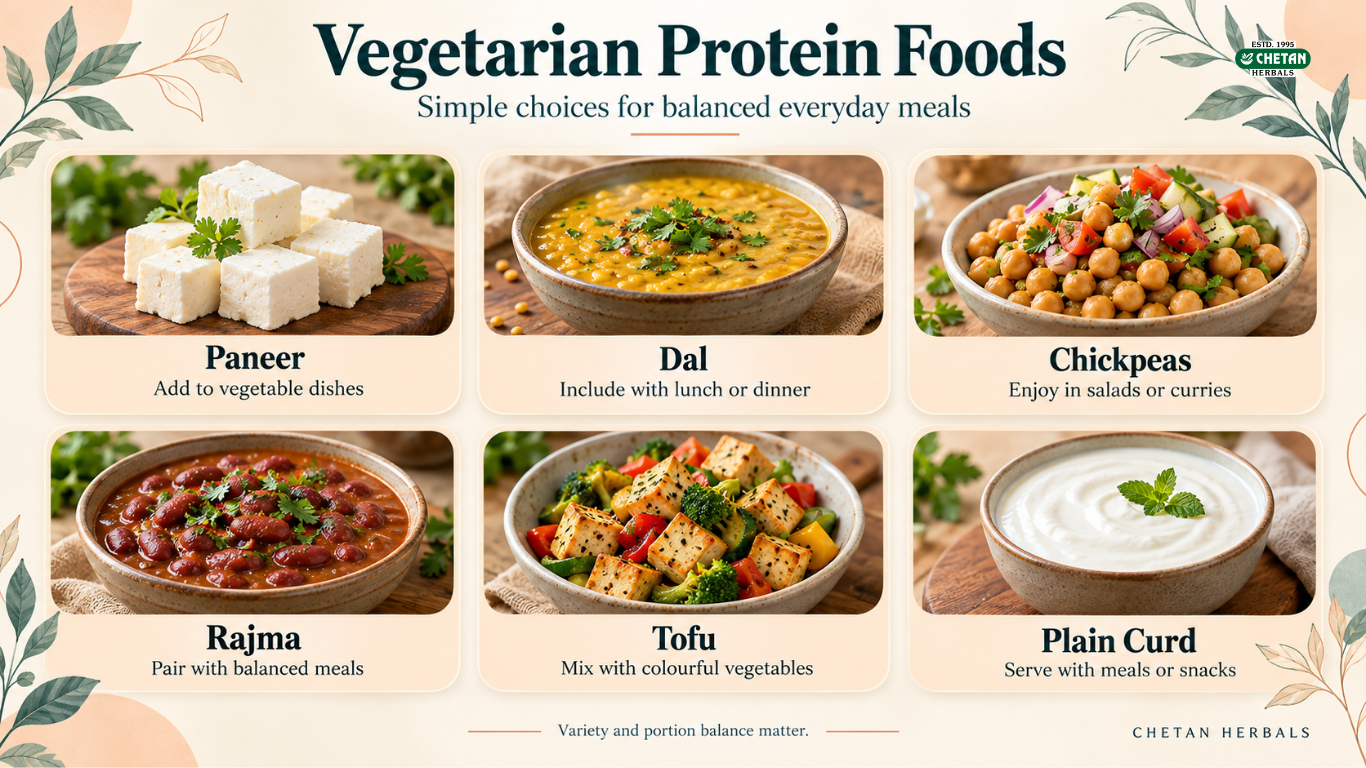
Including a variety of protein sources can make a healthy eating plan more practical and enjoyable. The following high protein foods for weight loss can fit into different dietary patterns.
| Food | How to Include It |
| Lentils and dal | Include with lunch or dinner |
| Chickpeas and kidney beans | Add to salads, curries, or bowls |
| Milk and plain curd | Use with breakfast or snacks |
| Paneer and tofu | Add to vegetable dishes |
| Eggs | Include in breakfast or meals |
| Fish and lean poultry | Choose grilled, baked, or lightly cooked options |
| Nuts and seeds | Enjoy measured portions as snacks |
| Soybeans | Include in suitable meals or snacks |
The amount of protein in each food depends on its variety, preparation, and serving size. Choose foods that suit your dietary preferences, budget, and health requirements.
Vegetarian Protein Diet for Weight Loss
A vegetarian protein diet for weight loss can provide adequate protein when meals are planned thoughtfully. Vegetarian eating does not mean that protein options are limited.
Consider these practical combinations:
- Breakfast: Besan chilla with plain curd.
- Lunch: Dal, whole-wheat roti, vegetables, and curd.
- Evening snack: Roasted chana or a small portion of nuts.
- Dinner: Paneer or tofu with vegetables and whole grains.
You can also include chickpeas, kidney beans, soy products, milk, and other protein-rich foods throughout the day.
Adjust portion sizes according to your energy needs, appetite, activity level, and overall dietary requirements. People with specific nutritional needs may benefit from guidance from a qualified dietitian.
Sample High Protein Diet Plan for Weight Loss
Here is a simple example of a balanced daily eating routine. It is a general illustration, not a personalised prescription.
Breakfast: Besan chilla with curd, or eggs with whole-grain toast.
Mid-morning: A whole fruit with a small portion of nuts.
Lunch: Dal, vegetables, roti or rice, and curd.
Evening snack: Roasted chickpeas, milk, or another suitable protein-rich snack.
Dinner: Paneer, tofu, fish, or lean poultry with vegetables and a suitable portion of whole grains.
Drink enough water and try to maintain regular meal timings. The exact amount of food and protein required varies according to body weight, age, activity, health status, and individual goals.
Common Mistakes to Avoid With Protein Diets
Even a well-intentioned diet can become unbalanced if it focuses too heavily on one nutrient.
- Eating excessive protein: More protein is not always better. Individual requirements vary, and people with kidney disease or other relevant medical conditions should seek professional advice.
- Avoiding all carbohydrates: Whole grains, fruits, and vegetables provide fibre and essential nutrients.
- Skipping meals unnecessarily: Extreme restriction may make it difficult to meet nutritional needs.
- Relying on supplements alone: Capsules and other supplements cannot replace a balanced diet or regular physical activity.
- Expecting rapid results: Sustainable weight management generally requires consistent habits and realistic expectations.
protein diets weight loss
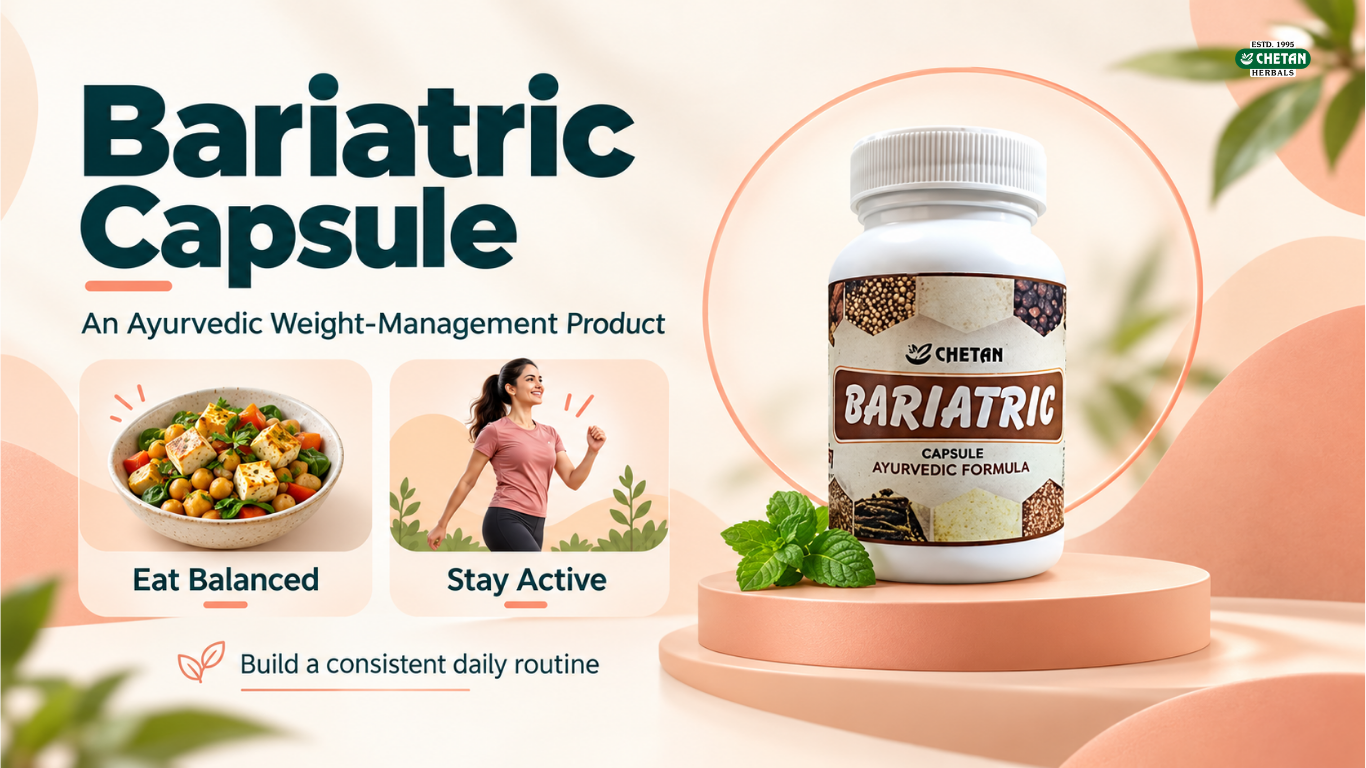
Bariatric Capsule by Chetan Herbals for Weight Management
Alongside balanced eating and regular physical activity, some people explore Ayurvedic products as an additional part of their weight-management routine.
Chetan Herbals offers Bariatric Capsule, an Ayurvedic product marketed for weight management. People interested in this product can review its formulation, directions, precautions, and other product information before deciding whether it is appropriate for them.
It is important to understand that Bariatric Capsule is not a protein supplement and should not be presented as a substitute for protein-rich foods, a balanced diet, or physical activity. Reliable evidence for the effectiveness and safety of a particular product depends on its actual ingredients, dosage, quality, and appropriate clinical evaluation. Benefits should not be assumed without sufficient evidence.
People taking prescription medicines, living with chronic health conditions, or considering supplements during pregnancy or breastfeeding should consult a qualified healthcare professional before use. Follow the verified product label and professional advice rather than assuming that an Ayurvedic product is suitable for everyone.
Dr. Chetan Gupta’s Guidance on Protein and Weight Management
From a responsible Ayurvedic wellness perspective, healthy weight management should focus on dietary balance, appropriate daily routines, and individual needs rather than quick fixes.
Protein-rich foods can be part of a balanced diet, but the right quantity depends on the individual’s health, body composition, physical activity, and nutritional requirements. A sustainable routine should also include vegetables, fruits, fibre-rich foods, sufficient sleep, and regular movement.
Before publishing this section as a direct expert statement, Dr. Chetan Gupta should review and approve the wording so that it accurately represents his clinical perspective.
Frequently Asked Questions
1. Are protein diets effective for weight loss?
Protein-rich diets may help with fullness and muscle maintenance. Weight loss still depends on the overall dietary pattern, calorie intake, activity, and consistency.
2. Which are the best high protein foods for weight loss?
Lentils, chickpeas, beans, curd, milk, paneer, tofu, eggs, fish, and lean poultry are useful options. Choose a variety that fits your dietary preferences.
3. Can vegetarians follow a protein diet for weight loss?
Yes. Dal, beans, chickpeas, soy products, paneer, milk, and curd can contribute protein to a balanced vegetarian diet.
4. Can I take Bariatric Capsule while following a protein diet?
Do not assume that combining a supplement with a diet is appropriate for everyone. Review the product information and consult a qualified healthcare professional, particularly if you have a medical condition or take medication.
5. Does eating more protein guarantee fat loss?
No. Protein alone does not guarantee weight loss. Overall energy intake, food quality, activity, sleep, and other individual factors matter.
Conclusion
Protein diets weight loss can be a useful star ting point for people who want to understand the role of protein in healthy weight management. Including a variety of protein-rich foods, eating balanced meals, staying active, and avoiding extreme restrictions can help build a more sustainable routine.
Chetan Herbals Bariatric Capsule is an option that interested consumers can learn more about, but it should not replace balanced nutrition or evidence-based healthcare. Make informed decisions, check product information carefully, and seek professional guidance when necessary.


Write a comment
Your email address will not be published. All fields are required