
Losing excess weight can be challenging, particularly when dietary changes and regular exercise do not deliver the expected results. Today, Weight Loss Injections are gaining attention as a medical option for people living with obesity or weight-related health conditions. These prescription medicines work through specific hormone pathways that influence appetite, fullness and blood sugar regulation.
However, are weight loss injections safe? What are their possible side effects? Can you manage weight without injections? Understanding how these treatments work, their limitations and other weight-management approaches can help you make informed decisions.
Quick Overview of Weight Loss Injections
- What are they? Prescription medicines used for weight management in eligible individuals.
- How do they work? They influence appetite and fullness signals.
- Common examples: Semaglutide, liraglutide and tirzepatide.
- Common side effects: Nausea, vomiting, constipation and diarrhoea.
- Are they suitable for everyone? No, medical evaluation is necessary.
- Other approaches: Balanced nutrition, physical activity and personalised lifestyle guidance.
What Are Weight Loss Injections?
Weight Loss Injections are prescription medications designed to support weight management in certain individuals with obesity or weight-related health conditions.
Some commonly prescribed medicines belong to a category known as GLP-1 receptor agonists. Examples include semaglutide and liraglutide. These medicines mimic the action of a natural hormone called glucagon-like peptide-1 (GLP-1), which helps regulate appetite and blood glucose levels.
Another medication, tirzepatide, acts on both GIP and GLP-1 hormone receptors.
These treatments may help individuals reduce food intake and manage body weight. However, they are not ordinary slimming injections and should only be used under appropriate medical supervision.
How Do GLP-1 Weight Loss Injections Work?
GLP-1 Weight Loss Injections influence the body’s natural hunger and fullness signals. They may help people feel satisfied after eating smaller portions and reduce frequent hunger.
Their main effects include:
- Regulating appetite and food intake.
- Increasing feelings of fullness.
- Slowing stomach emptying.
- Supporting blood sugar regulation.
These effects can help reduce overall calorie intake. However, results vary between individuals, and these medicines generally work best alongside a balanced eating plan and regular physical activity.
What Are the Common Weight Loss Injection Side Effects?
Understanding Weight Loss Injection Side Effects is important before considering treatment. Digestive problems are among the most frequently reported reactions, particularly when starting medication or increasing the dosage.
Common side effects include:
- Nausea and vomiting.
- Constipation or diarrhoea.
- Abdominal pain and discomfort.
- Bloating and indigestion.
- Reduced appetite.
Some people may experience more serious complications, including gallbladder problems, pancreatitis and dehydration-related kidney problems. Certain combinations with diabetes medicines may also increase the risk of low blood sugar.
Severe abdominal pain, repeated vomiting or signs of dehydration require prompt medical attention.
What Are the Risks of Using Weight Loss Injections?
Apart from common side effects, Weight Loss Injection Risks depend on the specific medicine, dosage and an individual’s medical history.
Certain semaglutide products carry a boxed warning in the United States concerning thyroid C-cell tumours observed in animal studies. These medicines are contraindicated in people with a personal or family history of medullary thyroid carcinoma or multiple endocrine neoplasia syndrome type 2 under the relevant US prescribing information.
These medicines may also require special precautions during pregnancy and in people with certain medical conditions.
Before starting treatment, patients should discuss their medical history, existing medications and possible risks with a qualified doctor. Never use another person’s injection pen or purchase prescription medicines from unverified sellers.
Who Should Consider Weight Loss Injections for Obesity?
Weight Loss Injections for Obesity may be considered for individuals who meet specific medical eligibility criteria.
Doctors generally assess:
- Body Mass Index (BMI).
- Obesity-related health conditions.
- Medical history and current medications.
- Previous weight-management efforts.
- Potential benefits and treatment risks.
Eligibility requirements differ between medicines and countries. Not everyone with excess body weight needs injectable medication.
It is also important to understand that weight may return after stopping treatment. Long-term lifestyle changes remain essential for maintaining progress.
Weight Loss Injections vs Natural Weight Management
Both medical treatment and lifestyle improvements have a role in weight management, but they serve different purposes.
Prescription injections may be recommended for eligible individuals who need medical obesity treatment. They require professional monitoring and may cause side effects.
On the other hand, Weight Loss Without Injections focuses on sustainable improvements in eating habits, physical activity, sleep and daily routines.
The right approach depends on an individual’s health, weight-related risks and medical requirements. Some people may benefit from lifestyle changes alone, while others may need additional medical support.
How to Manage Weight Without Injections?
Several Natural Weight Loss Methods can support healthy weight management when followed consistently.
- Follow a Balanced Diet: Include vegetables, seasonal fruits, whole grains, pulses and adequate protein. Limit frequent consumption of sugary drinks and highly processed foods.
- Stay Physically Active: Walking, cycling, swimming and strength exercises can improve fitness and support weight management.
- Maintain Healthy Sleep: Follow a regular sleep schedule and get sufficient rest to support overall well-being.
- Manage Stress: Yoga, meditation and relaxation activities may help manage stress-related eating habits.
- Maintain Consistency: Avoid crash diets and unrealistic weight-loss promises. Gradual changes are generally more sustainable.
What Is the Ayurvedic Approach to Weight Loss?
Ayurvedic Weight Loss Treatment considers dietary habits, digestion, physical activity and individual constitution when approaching weight management.
Traditional Ayurvedic literature discusses excess body fat in relation to Meda Dhatu and Sthaulya. Its lifestyle principles emphasise appropriate food choices, regular physical activity and personalised wellness guidance.
Weight Loss Injections
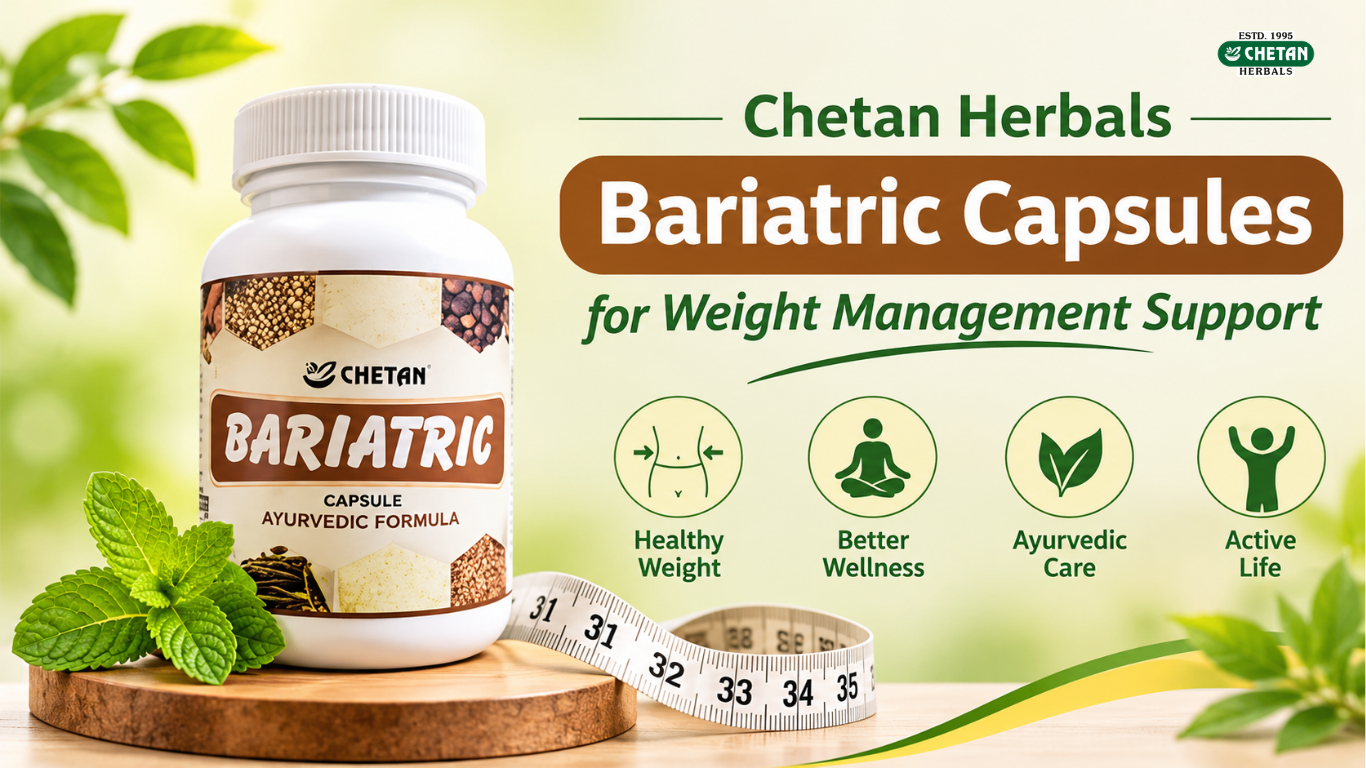
Chetan Herbals Bariatric Capsules for Weight Management Support
Chetan Herbals offers Bariatric Capsules as part of its Ayurvedic weight-management product range.
Individuals exploring Ayurvedic Weight Loss Capsules can learn about the product while maintaining balanced nutrition and regular physical activity.
Before choosing any supplement, carefully read the product ingredients and label instructions. Consult a healthcare professional if you have an existing medical condition or take prescription medicines.
Dr. Chetan Gupta’s Advice on Healthy Weight Management
Vaidya Dr. Chetan Gupta emphasises an individualised approach to wellness. Healthy weight management should consider dietary habits, physical activity, sleep, digestion and daily routine rather than depending entirely on quick solutions.
From an Ayurvedic perspective, personalised guidance can help individuals understand their lifestyle requirements and make appropriate changes. Avoid self-medication and products that promise guaranteed or extremely rapid weight loss.
Frequently Asked Questions
- Are weight loss injections safe for everyone?
No. They may be suitable for eligible individuals when prescribed and monitored by a qualified doctor. However, they can cause side effects and complications.
- How do GLP-1 weight loss injections reduce appetite?
They influence hormone pathways involved in appetite regulation and fullness, helping some individuals feel satisfied for longer.
- Can I lose weight without injections?
Yes. Balanced nutrition, regular physical activity, adequate sleep and consistent lifestyle changes can support healthy weight management.
- Can weight return after stopping weight loss injections?
Yes. Some individuals regain weight after discontinuing treatment. Long-term lifestyle habits are important for maintaining progress.
- Are Ayurvedic weight loss capsules a replacement for injections?
No. Ayurvedic supplements should not replace prescribed medication or professional obesity treatment.
Conclusion
Weight Loss Injections may help eligible individuals manage obesity, but they require proper medical evaluation and supervision. Understanding their benefits, side effects and limitations is essential before considering treatment.
Balanced nutrition, regular physical activity and appropriate healthcare guidance remain important for long-term weight management. Individuals interested in Ayurvedic wellness can also explore Chetan Herbals Bariatric Capsules as a separate wellness option without treating them as a substitute for medical obesity care.


Write a comment
Your email address will not be published. All fields are required