
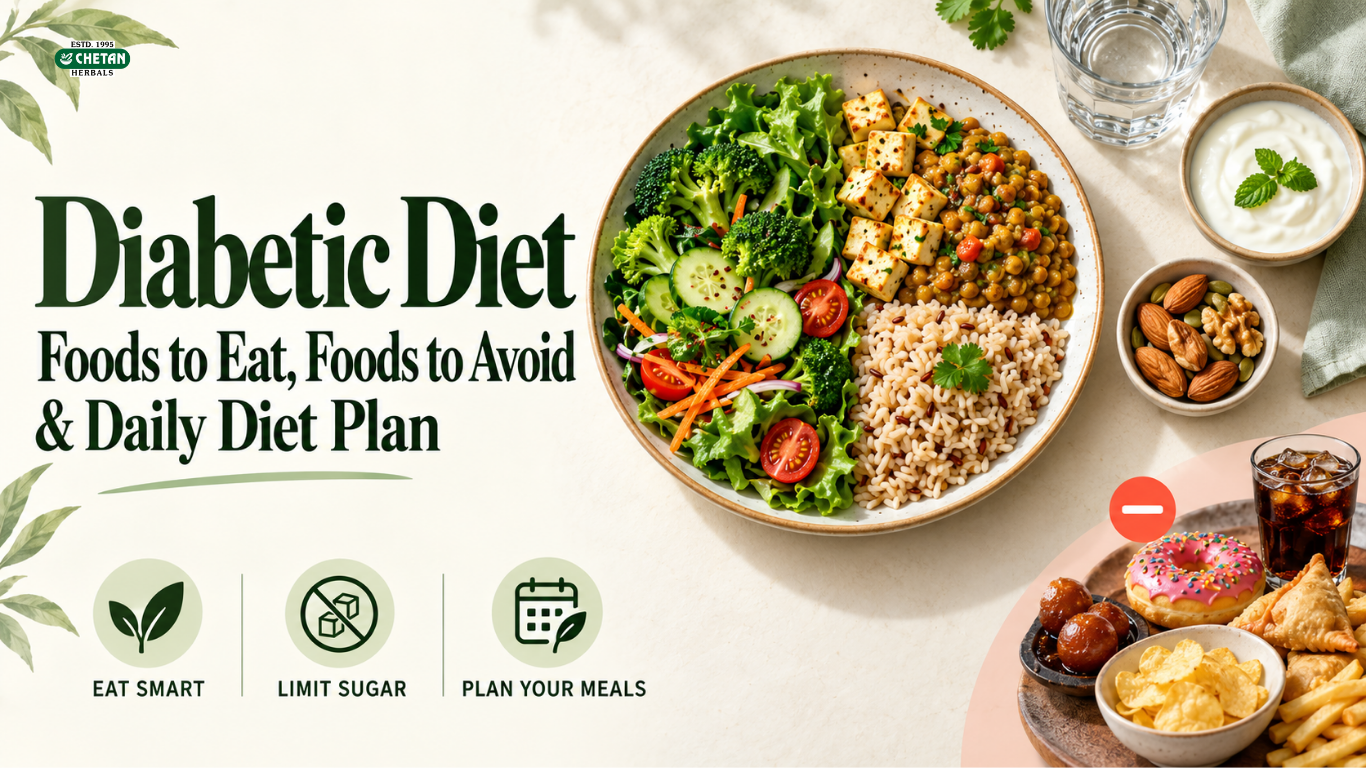
A balanced diabetic diet includes vegetables, whole grains in controlled portions, pulses, protein-rich foods, nuts and whole fruits. People with diabetes should limit sugary drinks, sweets and highly processed foods while monitoring their blood glucose levels. The ideal diabetes diet plan depends on individual health needs, medication, activity level and nutritional requirements.
Best Foods to Eat in Diabetes
Choosing nutritious foods can help support blood sugar management and overall health. Here are some useful options to consider when planning an Indian diet for diabetic patients.
1. Green Vegetables
Include spinach, cabbage, cauliflower, cucumber, broccoli, beans and other non-starchy vegetables in your meals. These provide fibre, vitamins and minerals. Prefer steamed, lightly cooked or minimally oiled preparations.
2. Whole Grains and Millets
Whole-wheat roti, oats, barley and suitable millet options can provide fibre and other nutrients. However, whole grains still contain carbohydrates, so portion control remains important.
3. Pulses and Protein-Rich Foods
Dal, chickpeas, kidney beans, tofu, eggs, fish and lean meats can be included according to dietary preference. Protein-rich foods help make meals satisfying and support normal body functions.
4. Whole Fruits
Guava, apples, oranges, pears and other whole fruits can be part of a diabetic-friendly diet. Pay attention to serving size and your individual blood glucose response. Whole fruit is generally preferable to fruit juice because it retains more fibre.
5. Nuts and Seeds
Unsalted almonds, walnuts, peanuts and seeds can provide healthy fats, protein and fibre. Eat moderate portions because nuts and seeds are energy-dense.
Foods to Avoid or Limit in Diabetes
People with diabetes do not necessarily need to eliminate every favourite food. However, some foods and drinks should be limited to support better dietary balance.
- Sugary drinks: Regular soft drinks, sweetened beverages and sugar-heavy packaged drinks.
- Sweets and desserts: Mithai, cakes, biscuits, pastries and other foods high in added sugar.
- Refined carbohydrates: Large portions of white bread and other refined-grain products.
- Deep-fried foods: Frequent consumption of fried snacks and foods high in unhealthy fats.
- Fruit juice: Even unsweetened juice can deliver carbohydrates quickly and lacks much of the fibre found in whole fruit.
Honey and jaggery should not be treated as sugar-free alternatives. They also contain sugars and can affect blood glucose.
Sample Indian Diabetic Diet Chart
The following is a general example of a diabetes diet plan, not an individually prescribed diet.
| Meal | Example food options |
| Early morning | Water; unsweetened tea if preferred |
| Breakfast | Vegetable oats or besan chilla with vegetables |
| Mid-morning | One suitable portion of whole fruit |
| Lunch | Roti or a measured portion of rice, dal, vegetables and salad |
| Evening snack | A small portion of unsalted nuts or roasted chana |
| Dinner | Vegetables, dal or another protein source, with a suitable portion of roti |
| Drinks | Water and unsweetened beverages |
Actual portions should be adjusted to individual energy needs, blood glucose readings, activity levels and medication. People with kidney disease or other health conditions may need additional dietary modifications.
Diabetic Diet
Practical Tips for Better Blood Sugar Management
Following a diabetic diet consistently can be more useful than trying extreme diets for a few days.
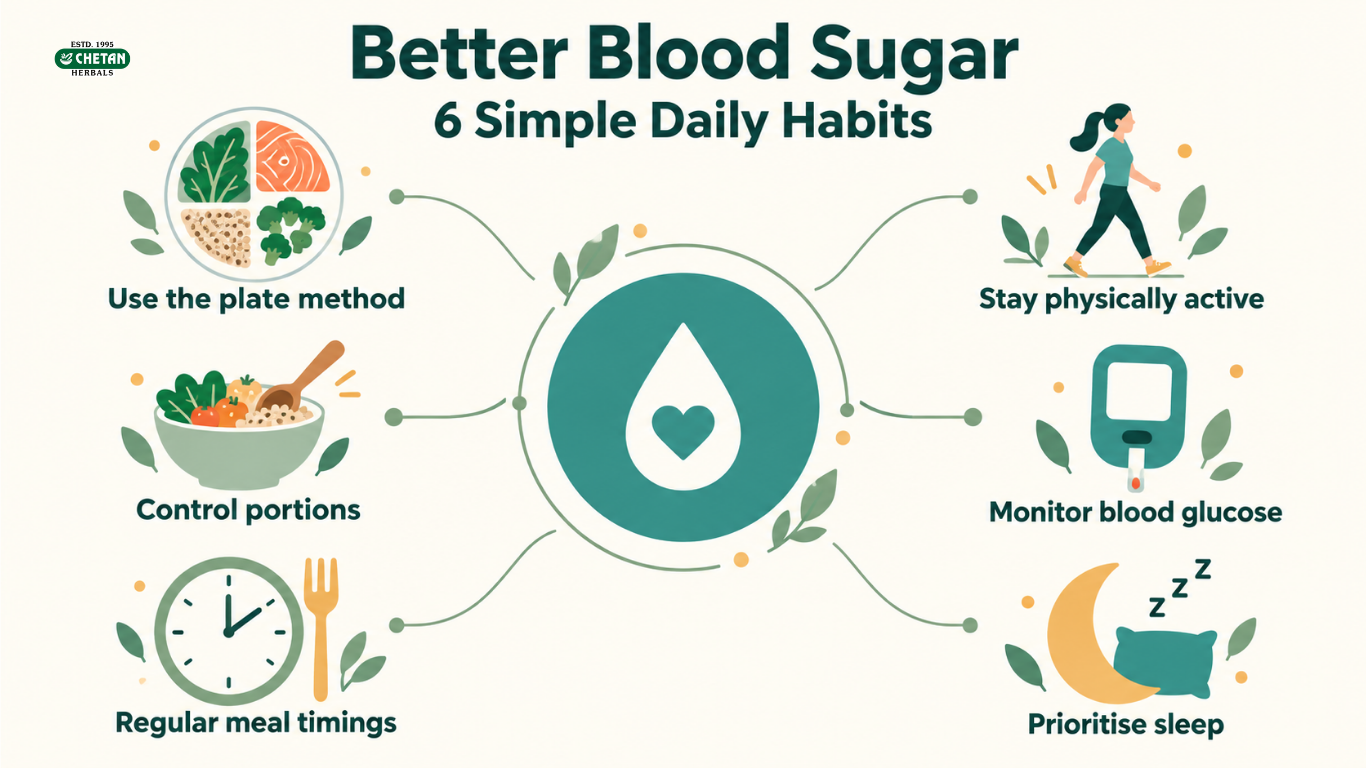
Use the plate method: Fill approximately half your plate with non-starchy vegetables, one-quarter with protein foods and one-quarter with carbohydrate-containing foods.
Control portions: Even nutritious foods can raise blood glucose when eaten in large quantities.
Maintain regular meal timings: Follow a schedule suited to your prescribed medicines. Do not skip meals if doing so could increase the risk of low blood sugar.
Stay physically active: Regular activity, as recommended by your healthcare professional, can support overall metabolic health.
Monitor blood glucose: Follow your recommended testing schedule and discuss unexpected readings with your healthcare team.
Prioritise sleep: Adequate sleep and a consistent daily routine are important parts of long-term diabetes care.
Ayurvedic Diabetes Wellness: Mahamochak by Chetan Herbals
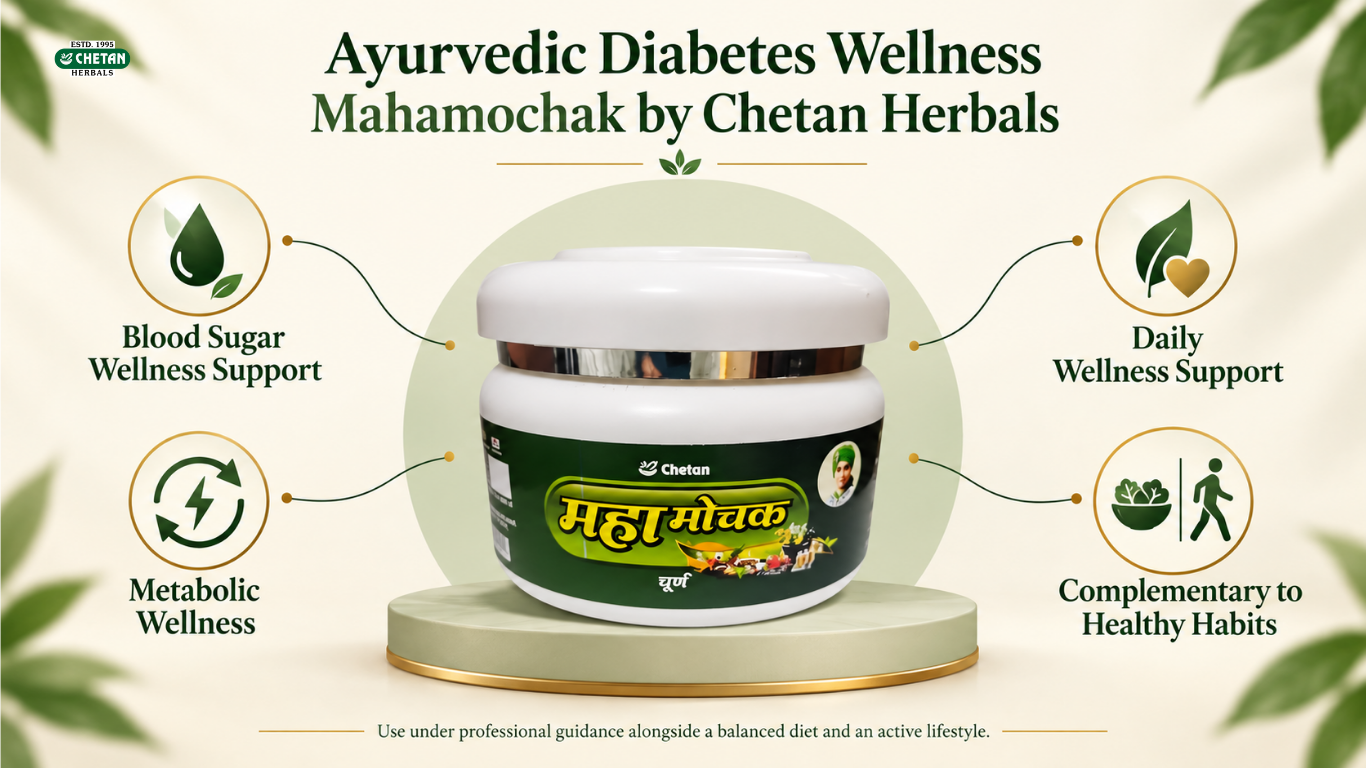
Along with a balanced diabetic diet and healthy lifestyle, people interested in Ayurvedic wellness may explore Mahamochak by Chetan Herbals, an Ayurvedic formulation developed with a focus on supporting balanced blood sugar levels.
Potential Benefits of Mahamochak
- Blood Sugar Wellness Support: Mahamochak is formulated to support balanced blood sugar levels as part of an overall diabetes wellness routine.
- Metabolic Wellness: Its Ayurvedic formulation is intended to support metabolic health alongside appropriate dietary and lifestyle habits.
- Daily Wellness Support: It may be considered by adults interested in an Ayurveda-based wellness approach, subject to professional guidance and product suitability.
- Complementary to Healthy Habits: A balanced diet, regular physical activity, appropriate sleep and medical follow-up remain essential parts of diabetes management.
Diabetic Diet
Why Should You Consider Mahamochak by Chetan Herbals?
If you are exploring Ayurvedic options for diabetes wellness, Mahamochak by Chetan Herbals may be worth learning about as part of your overall health routine. It is an Ayurvedic product for people interested in supporting their wellness alongside a balanced diabetic diet and healthy lifestyle.
Before choosing Mahamochak, review its ingredients, product label and directions for use. Consult a qualified healthcare professional to understand whether it is suitable for you, particularly if you take diabetes medication.
Explore Mahamochak by Chetan Herbals to learn more about the product and make an informed decision about your wellness needs. It should not replace prescribed diabetes treatment or regular medical care.
Frequently Asked Questions About Diabetic Diet
1. What should a diabetic patient eat daily?
A diabetic patient can include non-starchy vegetables, pulses, suitable protein sources, whole grains, nuts and controlled portions of whole fruits in a balanced daily diet.
2. Can people with diabetes eat rice and roti?
Yes, many people with diabetes can eat rice and roti in appropriate portions. The quantity, preparation and overall carbohydrate content of the meal matter.
3. Which fruits are suitable for a diabetic diet?
Whole fruits such as guava, apples, pears and oranges can be suitable options. Portion size and individual blood glucose response should be considered.
4. Is an Ayurvedic product enough to manage diabetes?
No Ayurvedic product should be relied upon as a substitute for prescribed diabetes treatment. Consult a qualified healthcare professional before using herbal products.
5. Can Mahamochak by Chetan Herbals be included in a diabetes wellness routine?
It should be considered only after reviewing its label and discussing its suitability with a healthcare professional. Its benefits should not be assumed without reliable evidence, and prescribed medicines should not be replaced.
Conclusion
A balanced diabetic diet is an important part of managing diabetes and supporting long-term health. Choosing fibre-rich foods, balancing carbohydrates, controlling portions and limiting added sugars can help people develop sustainable eating habits.
An Indian diabetic diet chart should be practical, nutritious and tailored to individual needs. Ayurvedic wellness products such as Mahamochak by Chetan Herbals may interest some readers, but their suitability and safety should be assessed professionally. Consistent lifestyle habits and appropriate medical care remain essential for diabetes management.




Write a comment
Your email address will not be published. All fields are required