
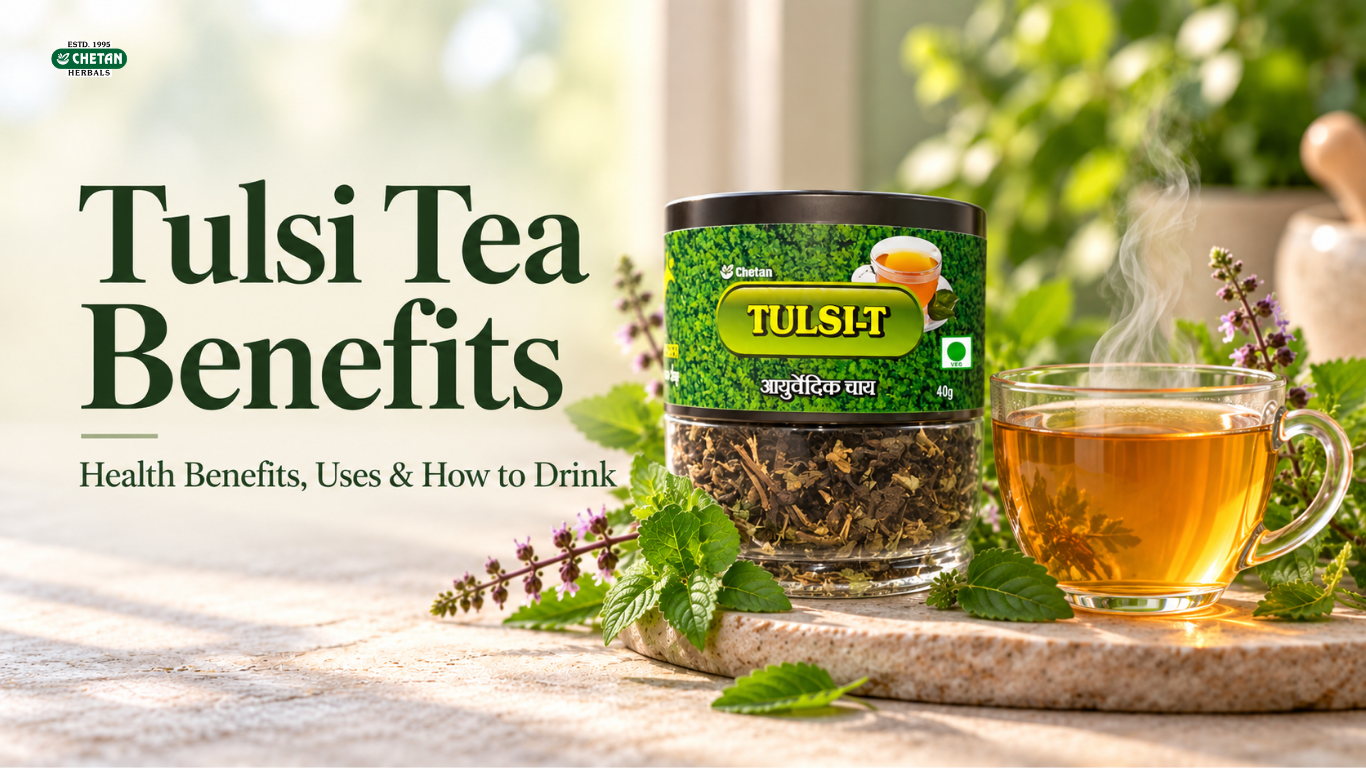
Quick Answer: Tulsi tea benefits include providing antioxidant compounds, supporting general wellness, and offering a refreshing caffeine-free herbal drink when prepared without tea leaves or other caffeinated ingredients. Tulsi, also known as holy basil, has a long history of use in Ayurveda. However, scientific evidence for many specific health benefits in humans is still limited. Chetan Herbals Tulsi Tea can be considered as part of a balanced daily wellness routine, depending on its ingredients and preparation instructions.
What Is Tulsi Tea?
Tulsi tea is an herbal infusion prepared using the leaves of tulsi (Ocimum tenuiflorum), also known as holy basil. In Ayurveda, tulsi is traditionally valued for its role in supporting overall well-being. Its leaves contain naturally occurring plant compounds, including polyphenols and other antioxidants.
Unlike conventional tea made from Camellia sinensis, pure tulsi tea is naturally caffeine-free. However, products blended with green tea, black tea, or other caffeinated ingredients may contain caffeine. Therefore, checking the ingredient label is important.
Today, many people explore the benefits of tulsi tea as part of their daily routine because it is easy to prepare and can be enjoyed warm. Its potential benefits should be understood alongside a healthy diet, sufficient sleep, physical activity, and appropriate medical care.
tulsi tea benefits
7 Potential Tulsi Tea Benefits for Health
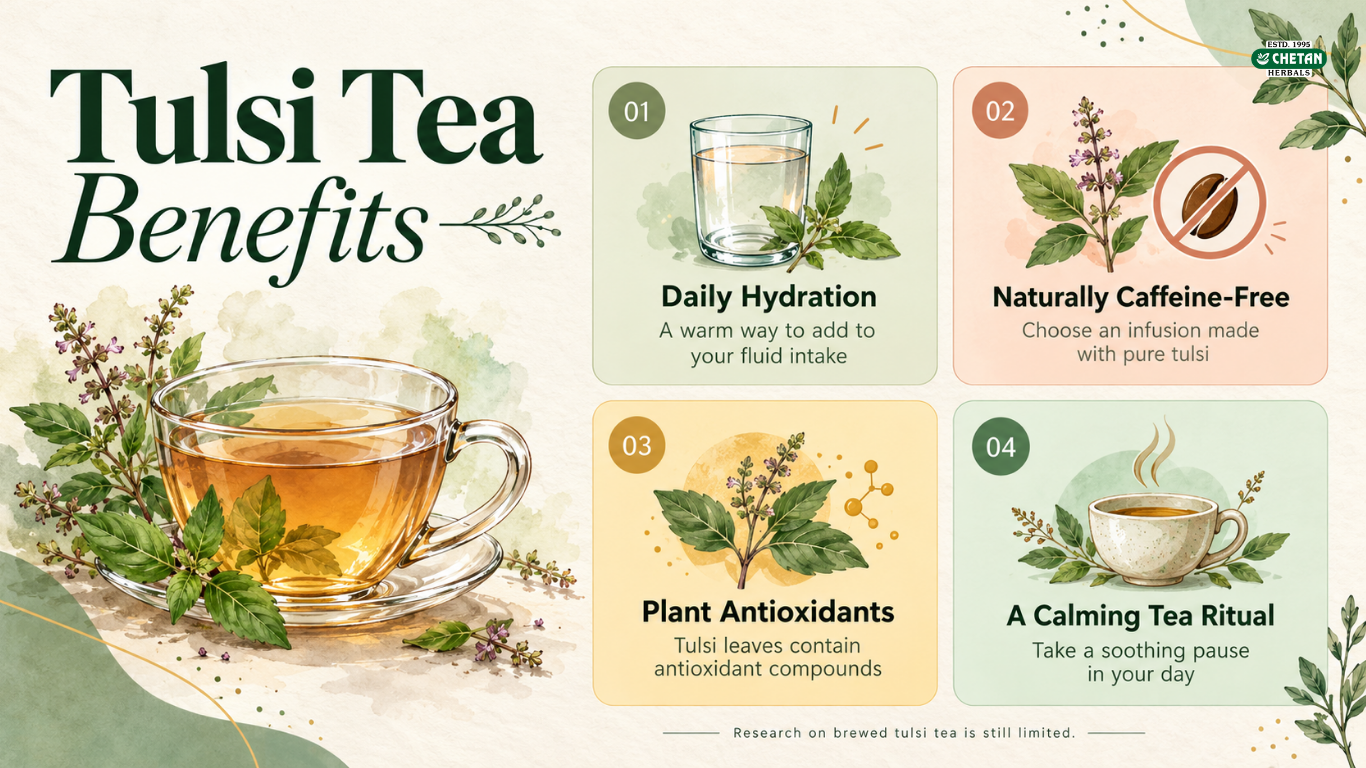
1. Provides Antioxidant Compounds
One of the potential tulsi tea benefits for health is the presence of naturally occurring antioxidant compounds. Antioxidants help protect cells from oxidative stress caused by unstable molecules known as free radicals.
Tulsi leaves contain several plant compounds that have demonstrated antioxidant activity in laboratory studies. However, the effects of drinking tulsi tea on specific health outcomes in humans require further research.
2. Supports Overall Wellness
Tulsi has an established place in traditional Ayurvedic practices. Drinking tulsi tea can be a simple way to include a herbal beverage in your daily routine.
Its potential contribution to wellness should be considered as part of an overall healthy lifestyle rather than as a replacement for nutritious food, regular exercise, or medical treatment.
3. May Help with Stress Management
Tulsi is traditionally described as an adaptogenic herb in Ayurvedic wellness practices. Some preliminary research has investigated its potential relationship with stress and mood.
However, evidence specifically demonstrating that tulsi tea reduces stress or anxiety remains limited. Enjoying a warm cup of herbal tea may also provide a relaxing break during a busy day, although this effect does not establish a medicinal benefit.
4. Supports Digestive Comfort
Some people prefer herbal beverages after meals as part of their daily routine. Tulsi has a history of traditional use in Ayurveda, including for digestive wellness.
Nevertheless, strong clinical evidence that tulsi tea treats acidity, constipation, bloating, or other digestive disorders is lacking. Persistent abdominal pain, frequent indigestion, or other ongoing symptoms should be evaluated by a healthcare professional.
5. Offers a Refreshing Herbal Beverage
Pure tulsi tea can be a useful alternative to sugary drinks. Drinking it without added sugar or syrup can help reduce the amount of added sugar in your beverage routine.
This is a practical lifestyle benefit rather than proof that tulsi tea directly causes weight loss or improves metabolism.
6. May Support Respiratory Comfort
Tulsi is traditionally used in Ayurvedic preparations associated with respiratory wellness. A warm cup of tulsi tea may feel soothing when the throat feels dry or irritated.
However, tulsi tea has not been established as a treatment for asthma, respiratory infections, or persistent coughing. Seek medical advice if symptoms are severe, recurring, or accompanied by breathing difficulties.
7. Encourages Healthy Daily Habits
Replacing some sugary beverages with unsweetened herbal tea can support healthier beverage choices. Preparing tea can also become a simple daily ritual that encourages a short break and mindful relaxation.
These habits may contribute to a balanced lifestyle, but tulsi tea alone cannot guarantee better immunity, prevent illness, or treat an existing health condition.
How to Make Tulsi Tea at Home
You can prepare a simple tulsi infusion using fresh leaves or dried tulsi leaves.
Ingredients:
- 5–7 fresh tulsi leaves or approximately 1 teaspoon of dried leaves
- 1 cup of water
- Optional: a small piece of ginger or a little lemon
Preparation method:
- Bring one cup of water to a boil.
- Add the washed tulsi leaves or dried tulsi.
- Simmer gently for approximately 3–5 minutes.
- Turn off the heat and allow the infusion to steep briefly.
- Strain into a cup and serve warm.
You can adjust the preparation according to taste and the instructions provided on your tea packaging. Avoid adding excessive sugar if you want to keep the drink low in added sugar.
tulsi tea benefits
Why Choose Chetan Herbals Tulsi Tea?
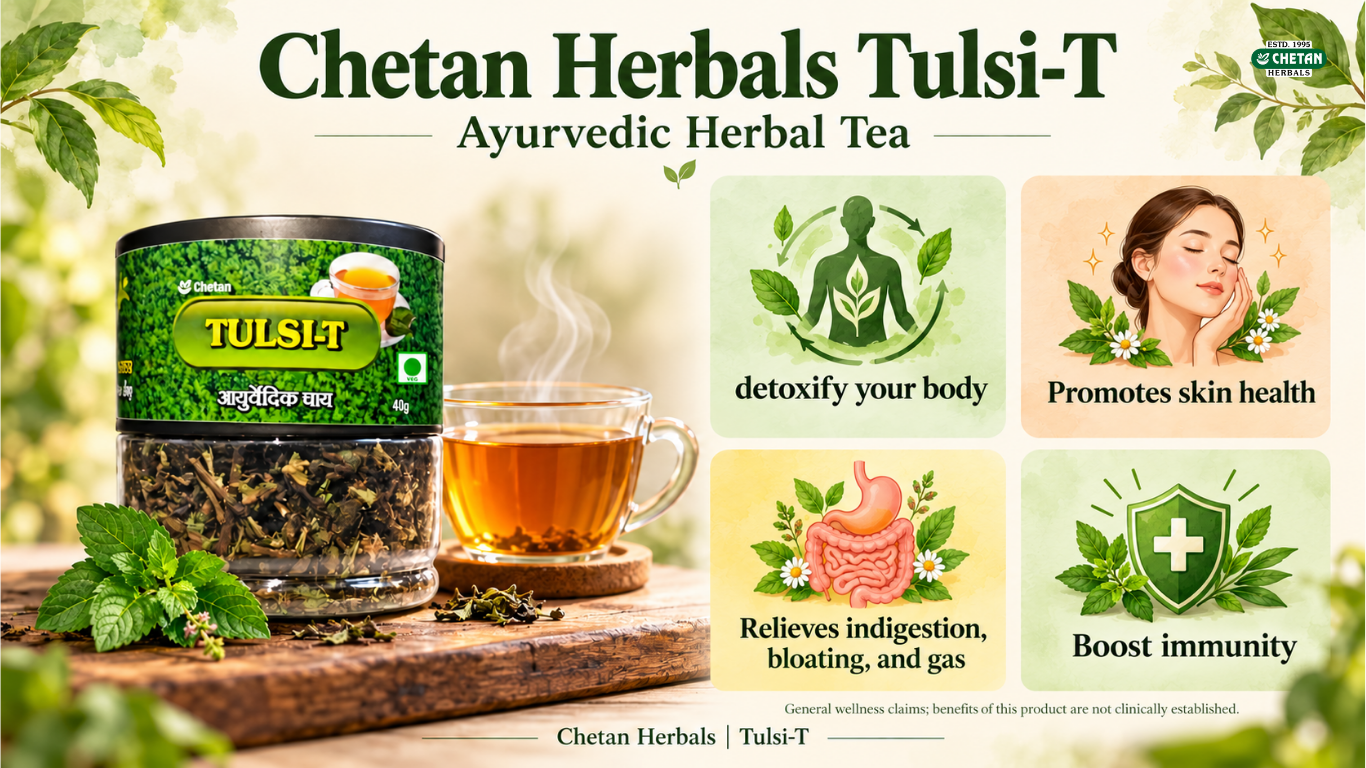
If you are looking for a refreshing herbal beverage to add to your daily wellness routine, Chetan Herbals Tulsi Tea is an option worth exploring. Tulsi, also known as holy basil, has a long history of traditional use in Ayurveda and is valued for its naturally occurring plant compounds.
Enjoy Chetan Herbals Tulsi Tea during your morning routine or evening break as a refreshing herbal drink. When prepared without added sugar, it can also be an alternative to sugary beverages and support healthier daily drinking habits.
Make Chetan Herbals Tulsi Tea a part of your daily tea routine and enjoy a refreshing herbal beverage as you work towards balanced everyday wellness.
What Is the Best Time to Drink Tulsi Tea?
There is no universally established best time to drink tulsi tea. Some people enjoy it in the morning, while others prefer it during an afternoon break or after a meal.
If you are sensitive to herbal ingredients or experience stomach discomfort after drinking it, reduce consumption or stop using it. Follow the product’s preparation instructions and consider your individual tolerance.
Tulsi Tea Side Effects and Precautions
Tulsi tea may not be suitable for everyone. Research on its long-term safety, especially in concentrated or medicinal amounts, remains limited.
- Pregnancy and breastfeeding: Consult a qualified healthcare professional before using tulsi regularly in medicinal quantities.
- Medication use: If you take medicines, particularly those affecting blood sugar or blood clotting, seek medical advice before regular use because potential interactions are not fully understood.
- Allergies: Avoid tulsi if you have a known allergy to it or develop an allergic reaction.
- Existing health conditions: Discuss regular use with your healthcare professional if you have a chronic condition or are preparing for surgery.
Drinking herbal tea in ordinary food-like amounts is different from taking concentrated herbal extracts or supplements. Do not replace prescribed medication with tulsi tea.
Frequently Asked Questions (FAQs)
1. What are the main tulsi tea benefits?
Potential benefits include consuming antioxidant plant compounds, enjoying a caffeine-free herbal beverage when made from pure tulsi, and replacing sugary drinks with an unsweetened alternative. Specific medical benefits require further clinical research.
2. Can I drink tulsi tea every day?
Many people enjoy tulsi tea as a regular beverage, but evidence on long-term daily use is limited. Follow the product instructions and consult a healthcare professional if you take medication or have an underlying health condition.
3. Is tulsi tea naturally caffeine-free?
Pure tulsi tea is naturally caffeine-free. Blends containing green tea, black tea, or other caffeinated ingredients may contain caffeine, so check the product label.
4. Can tulsi tea help with weight loss?
There is insufficient strong clinical evidence that tulsi tea directly causes weight loss. Unsweetened tulsi tea may be a useful alternative to sugary beverages when combined with balanced nutrition and regular physical activity.
Conclusion
Understanding tulsi tea benefits can help you make informed choices about including herbal beverages in your daily routine. Tulsi tea provides naturally occurring plant compounds and can be a refreshing alternative to sugary drinks, although many claimed health effects still need stronger human research.
If you enjoy herbal beverages, explore Chetan Herbals Tulsi Tea after checking its ingredients and preparation instructions. Combine it with a balanced diet, regular physical activity, adequate sleep, and appropriate healthcare for a sensible approach to everyday wellness






Write a comment
Your email address will not be published. All fields are required