
What Are the Best Vitamins for Women?
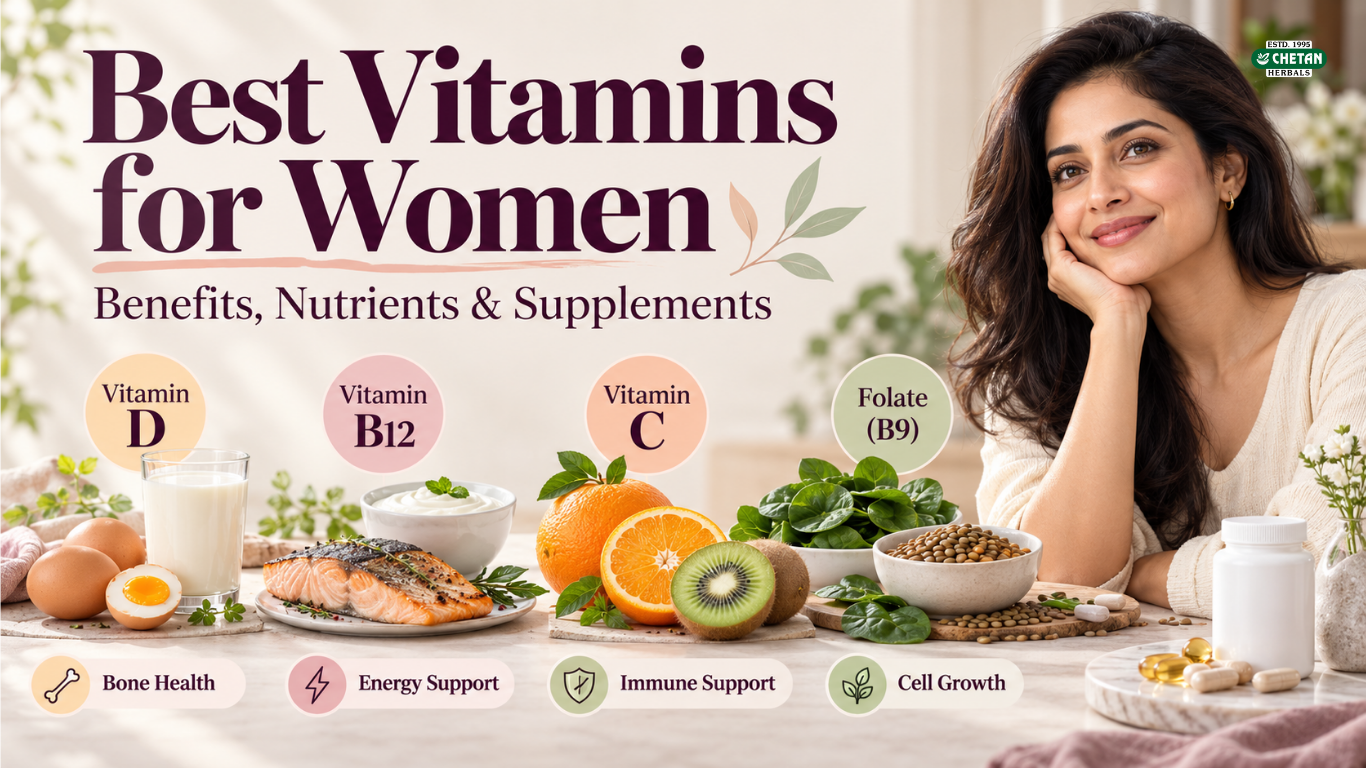
The best vitamins for women depend on their age, diet, lifestyle and individual nutritional needs. Vitamin D supports bone health, vitamin B12 helps maintain normal nerve function and red blood cell formation, vitamin C supports collagen formation, and folate is especially important before and during early pregnancy. A balanced diet should be the primary source of nutrients, while supplements may help when dietary intake is insufficient or a deficiency is identified.
Why Are Vitamins Important for Women’s Health?
Vitamins and minerals are essential nutrients that help the body function normally. Women’s nutritional needs can change during menstruation, pregnancy, breastfeeding and menopause. A varied diet containing vegetables, fruits, whole grains, dairy or fortified alternatives, legumes, nuts and protein-rich foods helps provide essential nutrients.
Choosing the best vitamins for women’s health starts with understanding which nutrients your body needs rather than taking multiple supplements without a clear reason.
Common signs such as persistent tiredness, weakness or changes in concentration can have several causes, including nutritional deficiencies. These symptoms should not automatically be attributed to a lack of vitamins.
best vitamins for women
What Are the Best Vitamins for Women?
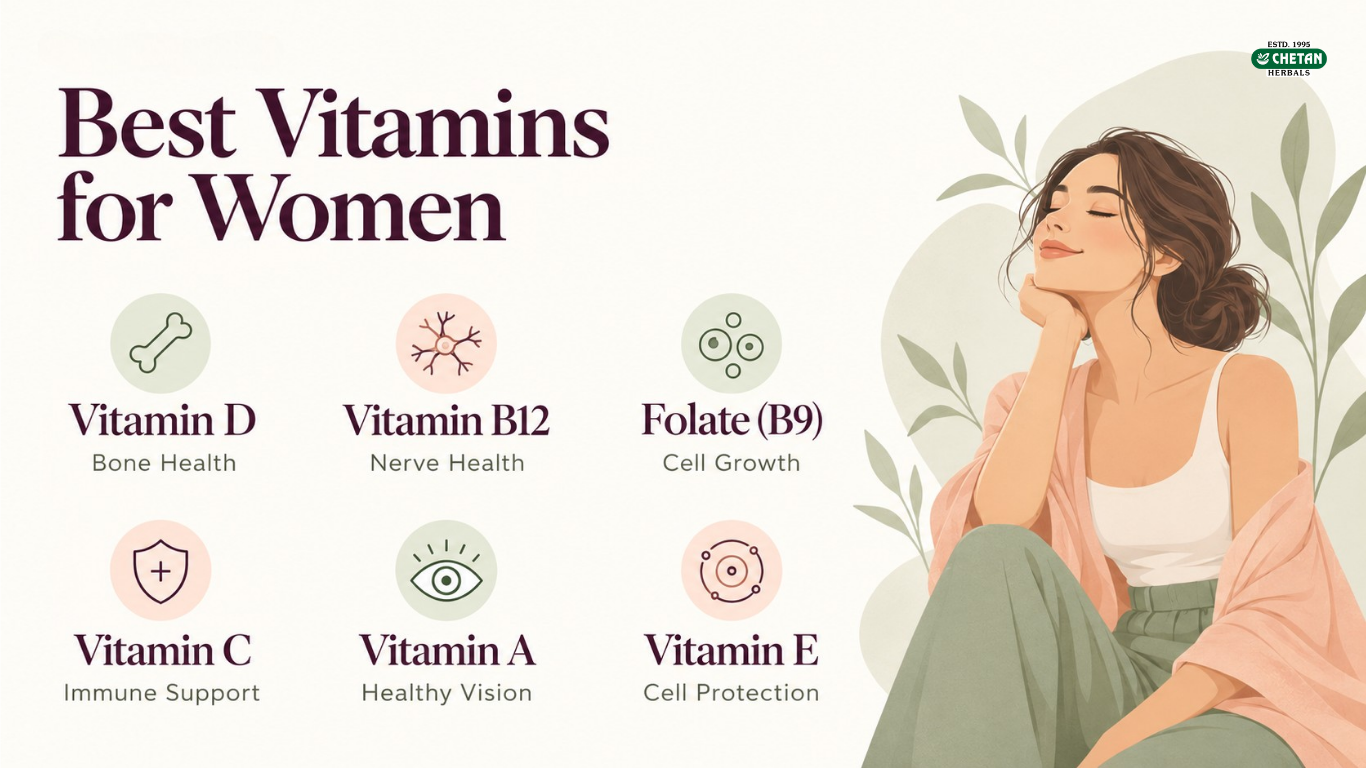
1. Vitamin D for Bone Health
Vitamin D helps the body absorb calcium and supports healthy bones and muscles. Women who have limited sun exposure, certain medical conditions or other risk factors may need additional attention to their vitamin D intake.
Food sources include oily fish, egg yolks and vitamin D-fortified foods. Supplements may be appropriate when dietary intake or vitamin D levels are inadequate.
2. Vitamin B12 for Nerves and Red Blood Cells
Vitamin B12 is essential for normal nerve function and red blood cell formation. People following vegetarian or vegan diets may have a higher risk of inadequate intake, particularly if they do not consume B12-fortified foods.
Sources include dairy products, eggs, fish, meat and fortified foods. Women experiencing unexplained fatigue or symptoms that could indicate B12 deficiency should consult a healthcare professional.
3. Vitamin C for Collagen and Immunity
Vitamin C supports collagen formation, wound healing, iron absorption and normal immune function. It also acts as an antioxidant.
Good sources include oranges, guavas, amla, lemons, bell peppers, tomatoes and other fruits and vegetables. Most women can obtain vitamin C through a varied diet.
4. Folate (Vitamin B9) for Cell Growth
Folate is necessary for DNA synthesis and normal cell division. It is particularly important for women who are planning pregnancy or could become pregnant.
Women planning pregnancy are generally advised to take 400 micrograms of folic acid daily, beginning at least one month before conception and continuing through the first 12 weeks of pregnancy, unless a healthcare professional recommends a different dose.
5. Vitamin B6 for Normal Body Functions
Vitamin B6 contributes to protein metabolism, nervous system function and the formation of neurotransmitters. Foods such as chickpeas, potatoes, bananas, poultry and fish provide vitamin B6.
A supplement is not automatically necessary if your diet already meets your nutritional requirements. Avoid taking high-dose vitamin B6 supplements for extended periods without medical advice because excessive intake can damage nerves.
6. Vitamin A and Vitamin E
Vitamin A supports normal vision, immune function and the maintenance of body tissues. Sources include carrots, sweet potatoes, spinach, eggs and dairy products.
Vitamin E acts as an antioxidant that helps protect cells from oxidative damage. Nuts, seeds and vegetable oils are useful dietary sources.
Both nutrients are important, but excessive supplementation can be harmful. Women who are pregnant or planning pregnancy should seek professional advice before taking supplements containing high amounts of vitamin A.
Important Minerals Women Should Know About
Although the focus is often on vitamins, minerals are equally important.
Iron: Iron supports haemoglobin production and oxygen transport. Women with heavy menstrual bleeding may be at increased risk of iron deficiency. Beans, lentils, leafy vegetables and meat provide iron. Supplements should be considered based on individual needs and appropriate medical advice.
Calcium: Calcium supports bones and teeth. Milk, yoghurt, calcium-fortified alternatives, tofu made with calcium and some leafy vegetables can contribute to calcium intake.
Zinc: Zinc supports immune function, wound healing and normal cell growth. Legumes, dairy products, nuts, seeds and whole grains provide zinc.
Best Vitamins for Women by Age
Nutritional requirements vary throughout life, so the best multivitamin for women is not necessarily the same for everyone.
- Women in their 20s and 30s: Focus on a balanced diet, adequate iron intake when needed, and folic acid if planning pregnancy.
- Women in their 40s: Continue supporting bone health, maintain adequate protein and nutrient intake, and discuss persistent fatigue or changing health concerns with a healthcare professional.
- Women over 50: Pay particular attention to vitamin B12, vitamin D and calcium intake, as requirements and absorption can change with age.
Women who are pregnant, breastfeeding, managing a medical condition or taking regular medication may need individualised nutritional advice.
How to Choose a Multivitamin for Women
When comparing daily vitamins for women, check the product label carefully. Look at the ingredient list, amount of each nutrient, recommended serving, warnings and suitability for your age and life stage.
A multivitamin may help fill certain nutritional gaps, but it cannot replace a balanced diet or treat every cause of tiredness and weakness. Avoid combining several products containing the same vitamins and minerals without professional guidance.
best vitamins for women
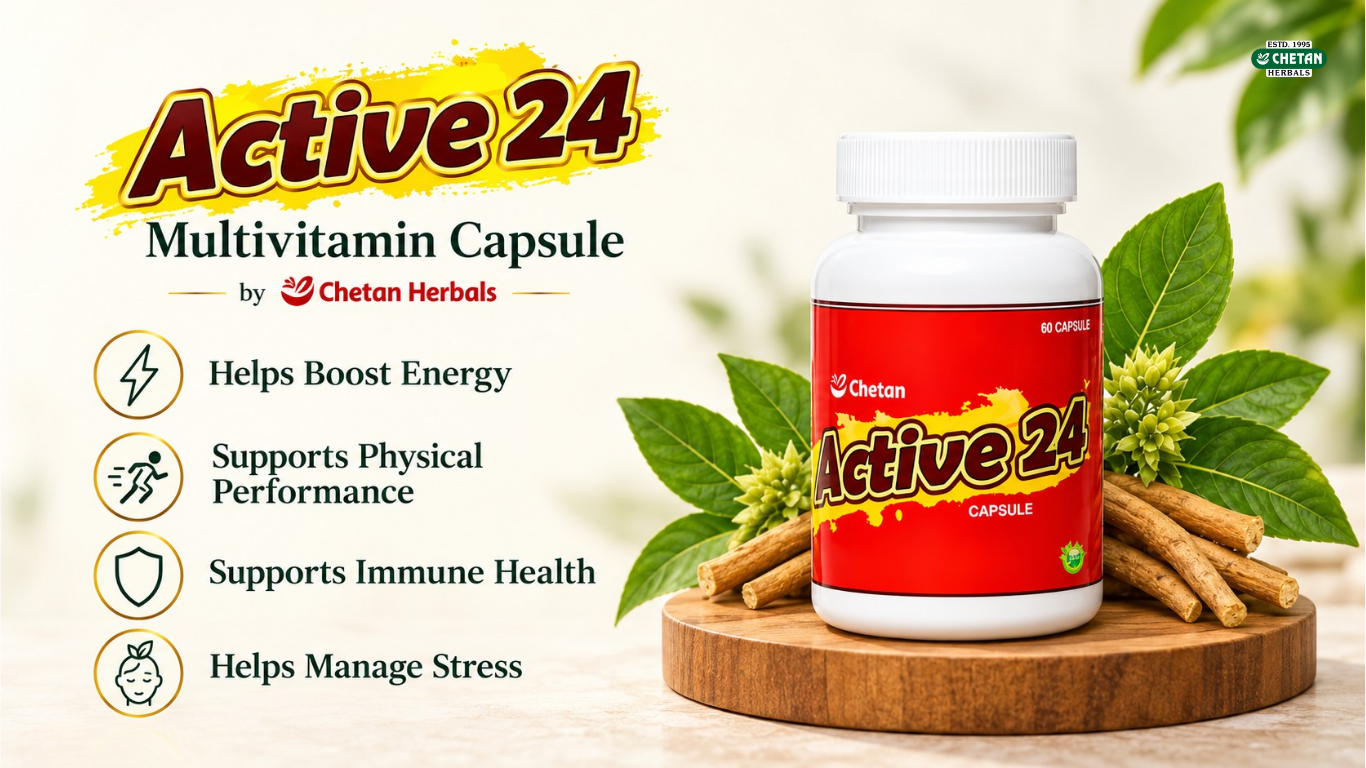
Active 24 Multivitamin Capsule by Chetan Herbals
If you are looking for a convenient supplement to support your daily wellness routine, Active 24 Multivitamin Capsule by Chetan Herbals is worth considering. It is promoted to support daily energy and overall wellness, making it an option for adults who want to complement a balanced diet with nutritional supplementation.
Why consider Active 24? It offers a convenient capsule format and is marketed for adult men and women over 18. If you often feel tired, remember that fatigue can have many causes, and a multivitamin may help only when it addresses a nutritional need. Check the product ingredients and directions before use, and consult a healthcare professional if you have a medical condition, take medication, or are pregnant or breastfeeding.
If you want to explore this option, choose Active 24 Multivitamin Capsule by Chetan Herbals after checking whether it suits your nutritional needs.
Natural Ways to Meet Your Daily Vitamin Needs
Along with choosing appropriate supplements, maintain healthy daily habits:
- Eat a variety of colourful fruits and vegetables.
- Include pulses, whole grains, nuts, seeds and suitable protein sources.
- Choose dairy products or fortified alternatives according to your dietary preferences.
- Stay physically active and maintain a consistent sleep schedule.
- Seek medical advice for persistent fatigue, heavy periods or suspected nutrient deficiencies.
These habits help support general wellbeing and make it easier to meet your daily nutritional requirements.
Frequently Asked Questions
What are the best vitamins for women to take daily?
There is no single combination suitable for every woman. Vitamin D, B12, folate and other nutrients may be important depending on diet, age and life stage. Supplements should address individual needs.
What is the best multivitamin for women?
The best multivitamin is one that matches a woman’s nutritional needs, age and health circumstances. Always compare the ingredient list and dosage rather than choosing a product based only on marketing claims.
Which vitamins help women with low energy?
Low energy can result from insufficient sleep, stress, anaemia, thyroid problems or other conditions. Correcting a confirmed deficiency may help, but taking vitamins without identifying the cause may not resolve the problem.
Can women take multivitamins every day?
Some women may benefit from daily supplementation, while others can meet their needs through food. Follow the product label and consult a healthcare professional if you are pregnant, breastfeeding, taking medication or managing a medical condition.
Is Active 24 Multivitamin Capsule suitable for women?
Chetan Herbals describes Active 24 as a product for adult men and women. Women should review its current ingredients, directions and warnings and seek professional advice if they have specific nutritional requirements.
Conclusion
The best vitamins for women depend on individual nutritional needs, age and lifestyle. A balanced diet remains the foundation of good nutrition, while supplements can be useful when specific needs are not met through food alone. Compare ingredients carefully, avoid excessive doses and seek professional guidance when necessary.
Women considering Active 24 Multivitamin Capsule by Chetan Herbals can review the product information before deciding whether it is appropriate for their routine. An informed choice helps keep nutritional support practical, safe and aligned with individual needs.




Write a comment
Your email address will not be published. All fields are required