
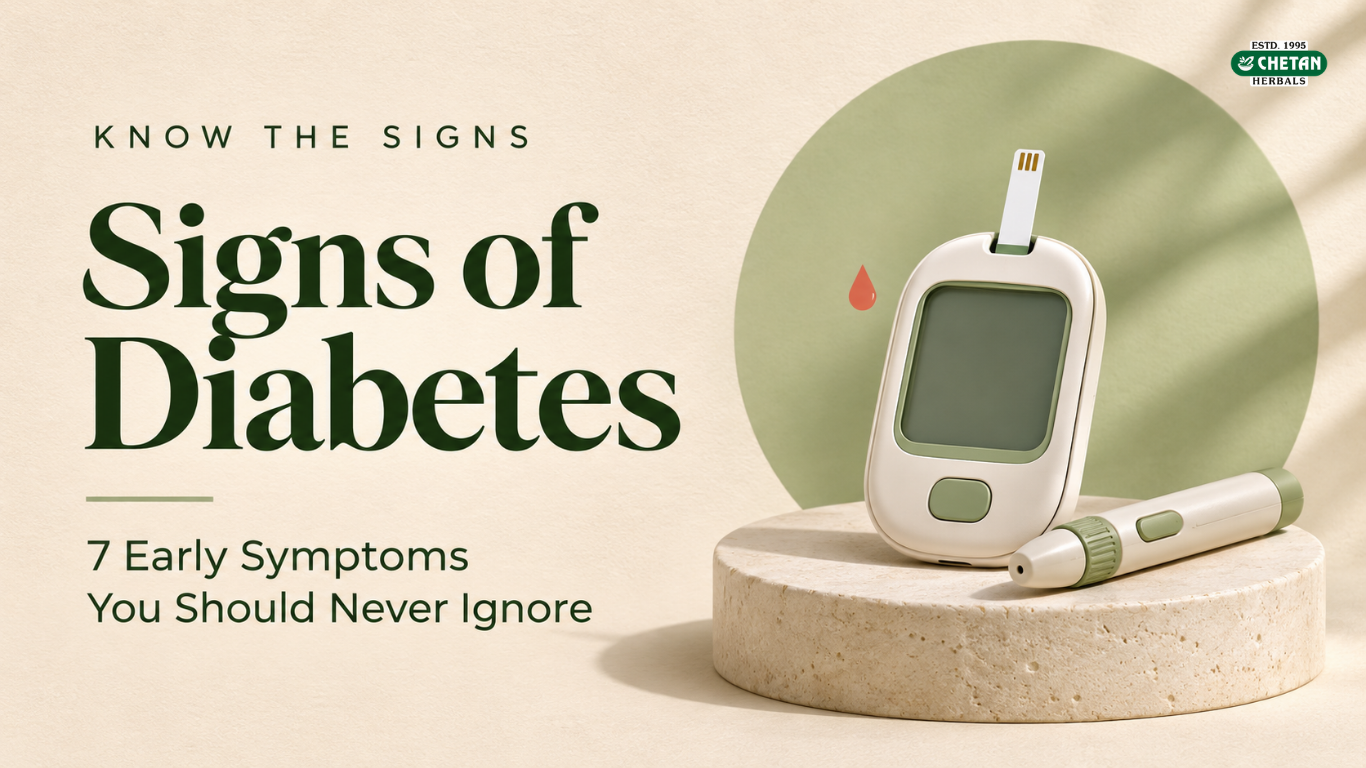
The signs of diabetes include frequent urination, excessive thirst, increased hunger, unexplained weight loss, constant fatigue, blurred vision and slow-healing wounds. These early symptoms of diabetes may develop gradually, particularly in people with Type 2 diabetes. Recognising these warning signs and getting a timely blood sugar test can help identify the condition and reduce the risk of complications.
7 Early Signs of Diabetes You Should Never Ignore
1. Frequent Urination
One of the common symptoms of diabetes is urinating more frequently than usual. When blood glucose becomes too high, the kidneys work to remove excess glucose through urine. This increases urine production and may cause repeated bathroom visits, especially at night.
2. Excessive Thirst
Persistent thirst, medically known as polydipsia, is another possible warning sign. Frequent urination causes the body to lose additional fluids, which can result in dehydration. You may feel thirsty even after drinking water.
3. Increased Hunger
Feeling hungry shortly after eating can be associated with diabetes. When insulin does not work properly, glucose may not enter the body’s cells effectively. This can leave the cells without sufficient energy, increasing hunger. This symptom is known as polyphagia.
signs of diabetes
4. Unexplained Weight Loss
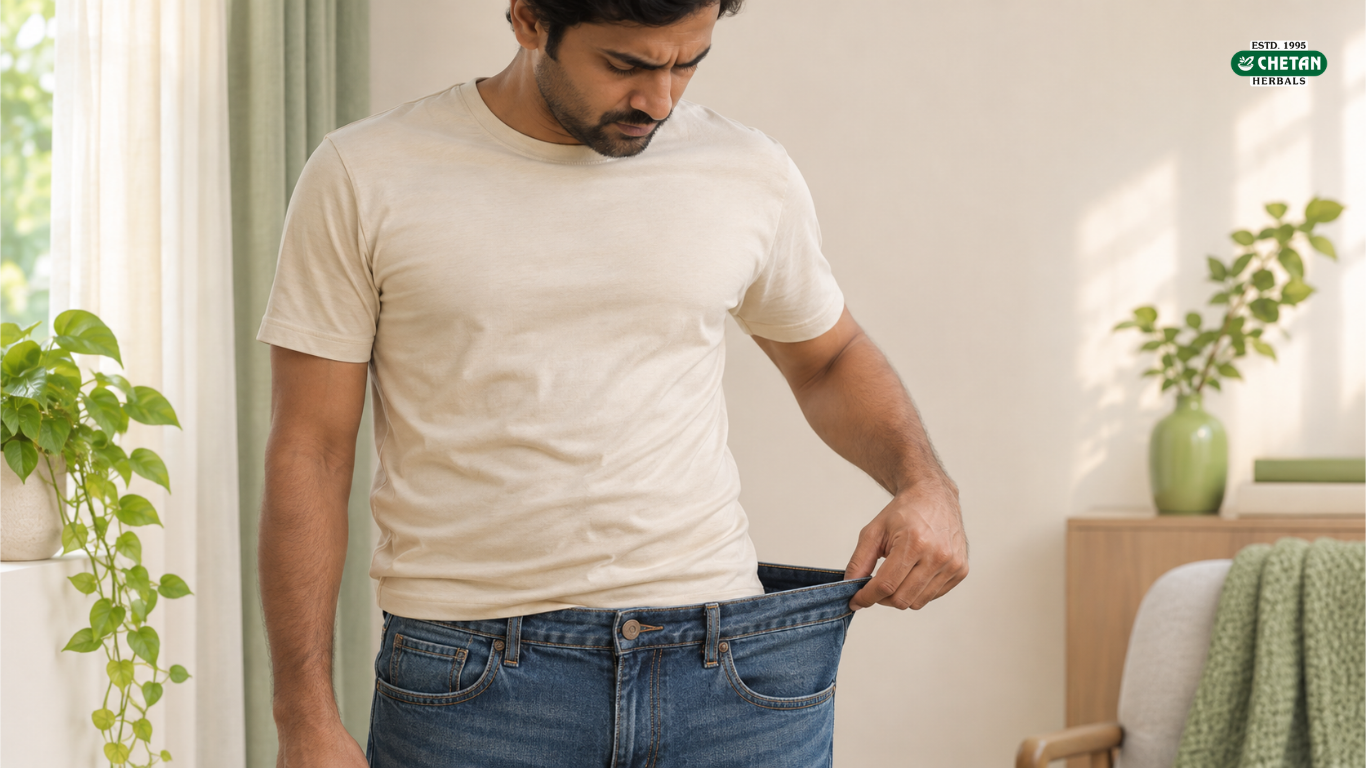
Losing weight without changing your diet or exercise routine should not be ignored. When the body cannot use glucose effectively, it may begin breaking down stored fat and muscle for energy.
Unexpected weight loss can be an important diabetes warning sign, particularly when accompanied by excessive thirst and frequent urination.
5. Constant Tiredness and Weakness
Feeling exhausted despite getting adequate sleep may be associated with high blood sugar. When glucose cannot enter the body’s cells efficiently, energy production may be affected.
However, fatigue can also result from anaemia, thyroid disorders, poor sleep and other health conditions.
6. Blurred Vision
High blood sugar can affect the fluid balance in the eyes and temporarily change the shape of the eye’s lens. This may cause blurred or fluctuating vision.
Sudden or persistent vision changes should be evaluated by an eye specialist or healthcare professional.
7. Slow-Healing Wounds and Frequent Infections
High blood glucose can affect circulation, immune function and the body’s natural healing process. As a result, cuts and wounds may take longer to heal.
Some people may also experience recurring skin infections, urinary tract infections or fungal infections. These can be additional high blood sugar symptoms that deserve medical attention.
Signs of Diabetes in Men and Women
Diabetes can affect both men and women, although some associated symptoms may differ.
Signs of diabetes in men may include:
- Frequent urination and excessive thirst.
- Unexplained weight loss and fatigue.
- Tingling or numbness in the feet.
- Erectile difficulties in some individuals.
Signs of diabetes in women may include:
- Recurrent urinary tract infections.
- Frequent vaginal yeast infections.
- Increased thirst and urination.
- Unusual tiredness and changes in reproductive health.
These symptoms do not confirm diabetes. Proper medical testing is necessary.
How Do You Know If You Have Type 2 Diabetes?
Type 2 diabetes symptoms often develop gradually and may remain unnoticed for years. Some people discover the condition during routine health check-ups.
Prediabetes may also occur without noticeable symptoms. Therefore, people with risk factors such as excess body weight, family history of diabetes or physical inactivity should discuss screening with their healthcare professional.
Which Tests Can Confirm Diabetes?
Recognising the signs of diabetes is important, but symptoms alone cannot confirm the condition. Doctors may recommend:
- Fasting Blood Sugar Test: Measures glucose after at least eight hours of fasting.
- HbA1c Test: Estimates average blood glucose over approximately two to three months.
- Oral Glucose Tolerance Test: Measures how the body responds to a glucose drink.
- Random Blood Sugar Test: Measures blood glucose at any time of the day.
For non-pregnant adults, an HbA1c of 6.5% or higher or fasting plasma glucose of 126 mg/dL or higher is in the diabetes range. A repeat test is generally required to confirm the diagnosis when there are no clear symptoms.

signs of diabetes
Ayurvedic Support for Healthy Blood Sugar Management
Along with a balanced diet, regular exercise and medical guidance, some people explore traditional Ayurvedic formulations as part of their overall wellness routine.
Chetan Herbals Mahamochak is an Ayurvedic herbal formulation marketed for blood sugar support. It includes traditionally used herbs such as Gudmar, Jamun, Karela, Neem, Tulsi and Methi.
If you are considering Mahamochak, consult your healthcare professional first, particularly if you are taking diabetes medication. Continue monitoring your blood glucose and follow your prescribed treatment plan.
How Can You Reduce the Risk of Type 2 Diabetes?
Following healthy habits can help reduce the risk of developing Type 2 diabetes:
- Eat a balanced diet with vegetables, whole grains, pulses and adequate protein.
- Limit sugary drinks and highly processed foods.
- Include regular walking or other physical activity.
- Maintain a healthy body weight.
- Get sufficient sleep and manage stress.
- Monitor blood glucose when recommended by your doctor.
These diabetes prevention tips can support metabolic health, although they cannot guarantee prevention.
Final Thoughts
Recognising the signs of diabetes is an important step towards protecting your long-term health. Frequent urination, excessive thirst, unexplained weight loss, constant fatigue and blurred vision are symptoms that should not be overlooked.
Regular health check-ups, timely blood sugar testing and healthy lifestyle habits can help identify and manage diabetes. Ayurvedic products such as Chetan Herbals Mahamochak may be explored as complementary wellness options after professional consultation, but they should never replace evidence-based diabetes treatment.
If you notice unusual changes in your body, consult a qualified healthcare professional instead of relying on self-diagnosis or home remedies.






Write a comment
Your email address will not be published. All fields are required