

Quick Answer: Can you get diabetes from eating too much sugar? Eating sugar alone does not directly cause diabetes. However, regularly consuming excessive added sugar, particularly from sugary drinks, may contribute to weight gain and increase the risk of type 2 diabetes. Genetics, physical activity, body weight and other health factors also influence diabetes risk.
Introduction
Sugar is a common part of everyday diets, from tea and sweets to biscuits, packaged juices and soft drinks. Although sugar provides energy, consuming too much added sugar can make it harder to maintain a balanced diet and healthy weight. This raises an important question: can you get diabetes from eating too much sugar?
The relationship between sugar and diabetes is more complex than many people think. Type 2 diabetes develops when the body cannot use insulin effectively or does not produce enough insulin to maintain healthy blood glucose levels. Understanding this connection can help you make better food choices and take practical steps towards long-term health.
Does Eating Too Much Sugar Cause Diabetes?
The answer is not a simple yes or no. Eating sugar does not automatically cause diabetes, but a diet consistently high in added sugars can contribute to factors associated with a higher risk of type 2 diabetes.
Sugary drinks, desserts and processed snacks can add substantial calories without providing many essential nutrients. Over time, consuming more calories than your body needs may contribute to excess weight and obesity, which are important risk factors for type 2 diabetes.
Other factors also matter, including family history, age, physical inactivity and insulin resistance. Therefore, does eating too much sugar cause diabetes? Excessive sugar consumption can contribute to the risk, but it is not the only cause. Type 1 diabetes, meanwhile, is an autoimmune condition and is not caused by eating sugar.
How Does Too Much Sugar Affect Your Body?
When you eat carbohydrates, your digestive system breaks them down into glucose, which enters your bloodstream. Your body uses insulin to help glucose enter cells and provide energy.
In people with insulin resistance, the body’s cells do not respond to insulin as effectively as they should. As a result, blood glucose levels may rise. The pancreas initially tries to compensate by producing more insulin, but it may eventually struggle to meet the body’s needs.
Consuming too many sugary foods and drinks can contribute to excess calorie intake and weight gain. These changes may increase the likelihood of developing type 2 diabetes, particularly when combined with other risk factors.
It is important to remember that a temporary rise in blood glucose after a meal does not, by itself, mean you have diabetes. Diagnosis requires appropriate blood tests and professional evaluation.
Can You Get Diabetes From Eating Too Much Sugar
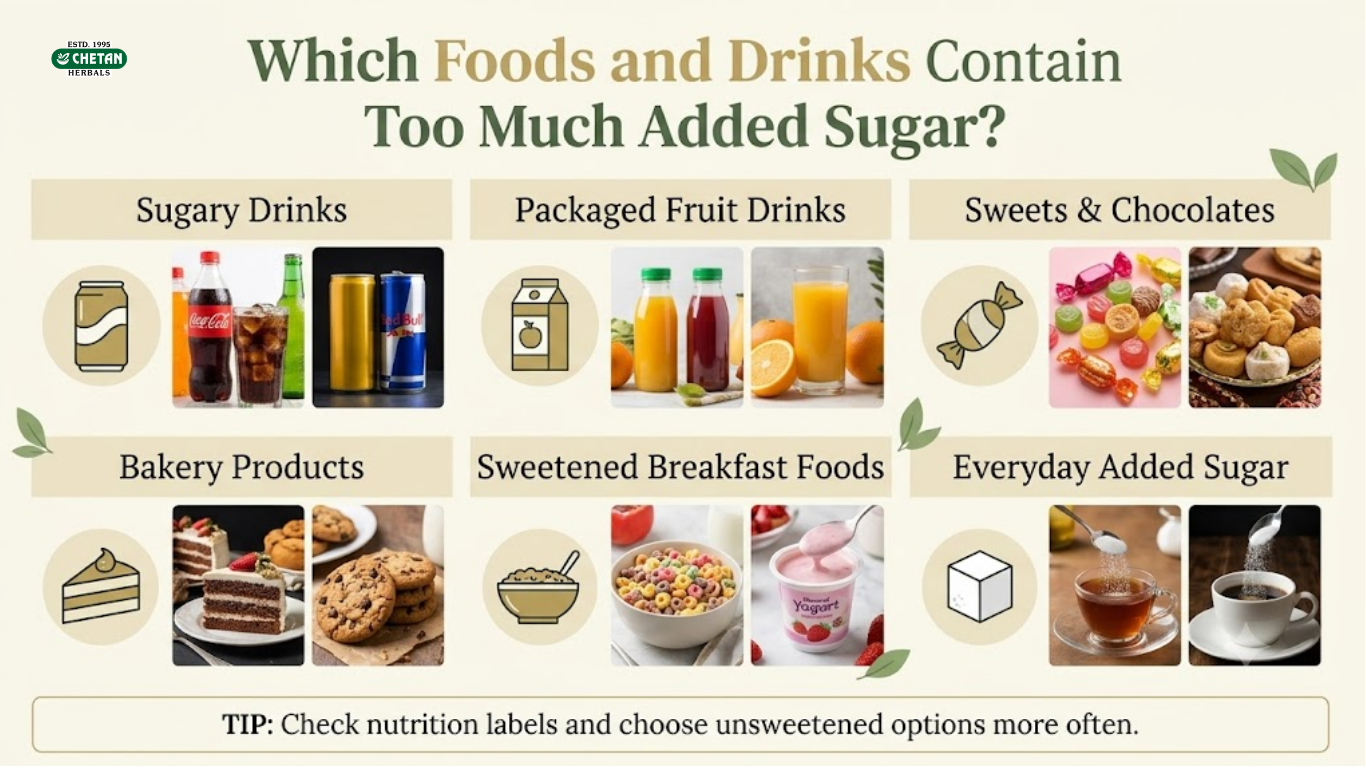
Which Foods and Drinks Contain Too Much Added Sugar?
Added sugar is found in many everyday foods, including products that may not taste extremely sweet. Common sources include:
- Soft drinks, energy drinks and sweetened beverages.
- Packaged fruit drinks and sweetened juices.
- Cakes, cookies, pastries and desserts.
- Candies, chocolates and other confectionery.
- Sweetened breakfast cereals and packaged snacks.
- Sugar added to tea, coffee and homemade drinks.
Reading nutrition labels can help you identify added sugars in packaged foods. Choosing water or unsweetened beverages more often is a simple way to reduce your daily sugar intake.
How Much Sugar Is Too Much?
Your ideal sugar intake depends on your overall energy needs, age and health circumstances. The World Health Organization recommends keeping free sugars below 10% of total daily energy intake, with a further reduction to below 5% suggested for additional health benefits.
Free sugars include sugars added to foods and drinks, as well as sugars naturally present in honey, syrups, fruit juices and fruit juice concentrates.
This does not mean you need to avoid whole fruits. Whole fruits contain naturally occurring sugars along with fibre, vitamins and minerals. They can be part of a balanced diet. Portion sizes and total carbohydrate intake are particularly important for people who already have diabetes.
How to Reduce Your Risk of Type 2 Diabetes
If you are concerned about how to reduce diabetes risk, start with realistic habits that you can maintain over time.
- Limit added sugar: Reduce sugary drinks, sweets and frequently consumed packaged snacks.
- Choose balanced meals: Include vegetables, pulses, whole grains, protein-rich foods and suitable portions of healthy fats.
- Stay physically active: Regular walking and other forms of exercise can improve insulin sensitivity.
- Maintain a healthy weight: If you have excess weight, gradual, sustainable weight management may help reduce your risk.
- Get adequate sleep: Maintain a consistent sleep routine and discuss ongoing sleep problems with a healthcare professional.
- Monitor your health: If you have a family history of diabetes or other risk factors, ask your healthcare professional whether screening is appropriate.
These steps can help lower or delay the risk of type 2 diabetes, but they cannot guarantee prevention.
What Are the Early Signs of Diabetes?
Recognising the early signs of diabetes can help you seek medical advice sooner. Common symptoms include:
- Increased thirst and frequent urination.
- Feeling unusually tired.
- Increased hunger.
- Blurred vision.
- Unexplained weight loss.
- Cuts or wounds that heal slowly.
- Tingling or numbness in the hands or feet.
Some people with type 2 diabetes experience few or no noticeable symptoms. If you have concerns, a healthcare professional can recommend appropriate testing, such as fasting blood glucose or HbA1c. Do not rely on symptoms alone to determine whether you have diabetes.

Can You Get Diabetes From Eating Too Much Sugar
Chetan Herbals Mahamochak – Ayurvedic Support for Diabetes Wellness
Chetan Herbals Mahamochak is an Ayurvedic product for people interested in traditional Ayurvedic wellness options. If you are exploring ways to support your overall health alongside healthy eating habits, regular physical activity and blood glucose monitoring, learn more about Mahamochak, its ingredients and recommended use before making a purchase. Its specific benefits should be assessed according to the product formulation and available evidence.
Interested in Chetan Herbals Mahamochak? Visit the official Chetan Herbals website to explore product details and purchase options. Before using Mahamochak for diabetes-related concerns, consult a qualified healthcare professional, especially if you take diabetes medication.
Frequently Asked Questions
1. Can you get diabetes from eating too much sugar every day?
Regularly consuming excessive added sugar may contribute to weight gain and increase the risk of type 2 diabetes. However, diabetes has multiple risk factors, and sugar is not its only cause.
2. Does eating chocolate cause diabetes?
Eating chocolate occasionally does not automatically cause diabetes. However, frequent consumption of chocolate with high added sugar and calorie content may contribute to excess calorie intake.
3. Can you get diabetes if you are not overweight?
Yes. People who are not overweight can develop type 2 diabetes. Family history, age, genetics and other health factors can influence risk.
4. Can stopping sugar prevent diabetes?
Reducing added sugar can be helpful, but eliminating sugar alone cannot guarantee prevention. A balanced diet, regular activity and appropriate medical screening are also important.
5. Is natural sugar in fruit bad for you?
Whole fruits can be part of a healthy diet because they provide fibre and nutrients. People with diabetes should consider portion sizes and their individual carbohydrate recommendations.
Conclusion
So, can you get diabetes from eating too much sugar? Excessive added sugar consumption can contribute to the risk of type 2 diabetes, particularly when it leads to excess calorie intake and weight gain. However, diabetes develops through a combination of genetic, metabolic and lifestyle factors.
Limiting sugary drinks, eating balanced meals, staying active and getting screened when appropriate are practical ways to support your health. If you are considering Chetan Herbals Mahamochak for diabetes-related wellness, discuss its suitability with a qualified healthcare professional and never replace prescribed diabetes treatment with an unproven product.






Write a comment
Your email address will not be published. All fields are required