
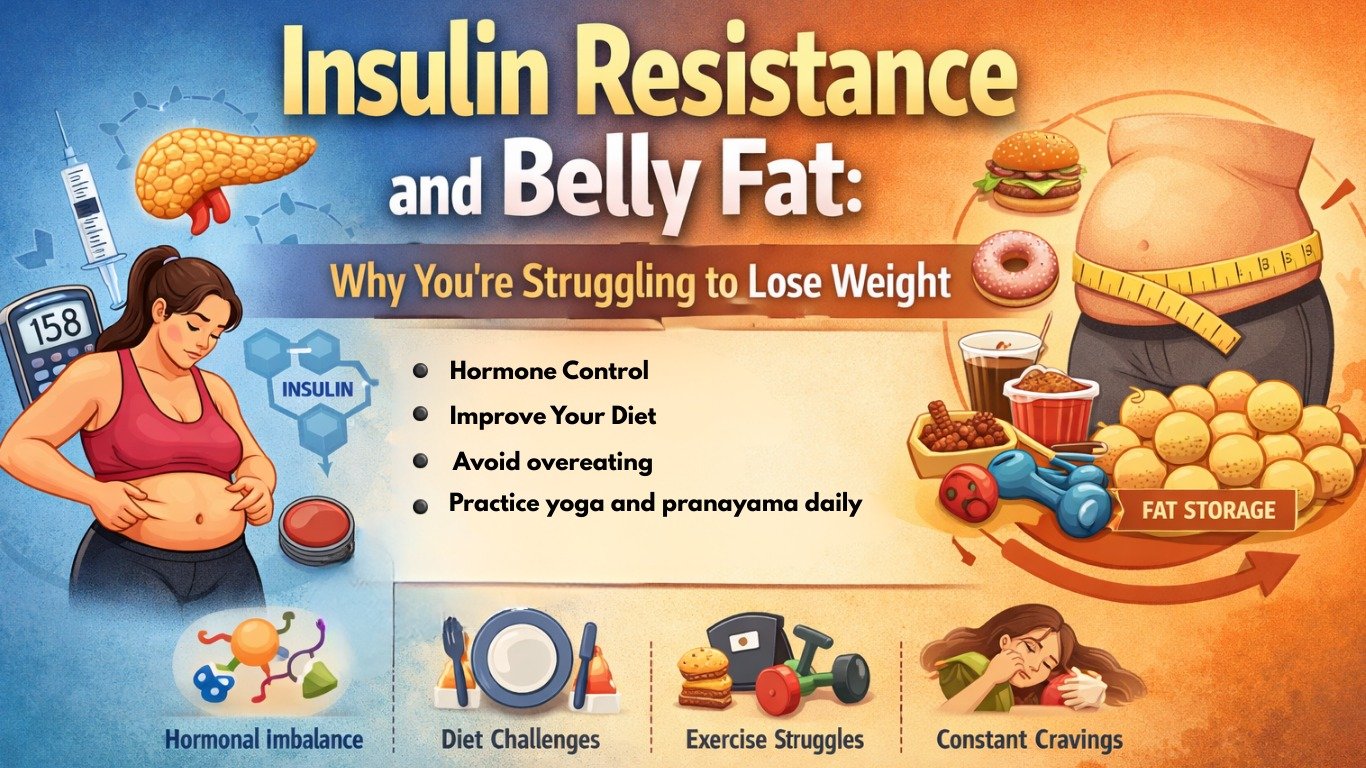
Struggling with stubborn belly fat even after dieting and exercising regularly? You’re not alone. Many people reduce calories, increase physical activity, and still find abdominal fat difficult to lose. One possible reason may be insulin resistance. While calories matter, hormones play an equally important role in fat storage and fat burning. Insulin — the hormone responsible for regulating blood sugar — can significantly influence how your body stores energy. When insulin levels remain elevated for long periods, fat loss may become more challenging, especially around the abdomen. Understanding insulin resistance could be the missing link in your weight loss journey.
What Is Insulin Resistance?
Insulin is a hormone produced by the pancreas that helps move glucose (sugar) from the bloodstream into cells for energy.
Insulin resistance occurs when the body’s cells respond less effectively to insulin. As a result, the pancreas may produce more insulin to compensate. Over time, this can lead to consistently elevated insulin levels.
Research suggests that chronically high insulin levels may be associated with increased fat storage, particularly in the abdominal region.
Can High Insulin Cause Belly Fat?
Insulin is often referred to as a “storage hormone.” When insulin levels are elevated:
- The body may store more fat
- Fat breakdown can slow down
- Hunger and cravings may increase
- Energy fluctuations may occur
When the body remains in “storage mode,” accessing stored fat — especially belly fat — may become more difficult. This is one reason why some people struggle with abdominal fat even when eating fewer calories.
Signs Insulin Resistance May Be Affecting You
While proper diagnosis requires medical testing, some commonly associated signs include:
- Persistent belly fat
- Sugar cravings
- Afternoon fatigue
- Difficulty losing weight
- Frequent hunger
If you suspect an insulin imbalance, it is advisable to consult a healthcare professional for proper evaluation.
Best Diet for Insulin Resistance and Weight Loss
An insulin-supportive diet focuses on stabilising blood sugar and avoiding sharp spikes. It is not about extreme dieting — it is about smart food choices and balanced meals.
1. The Smart Plate Method
Structure your meals as follows:
- 40–50% non-starchy vegetables
- 25–30% high-quality protein
- Moderate healthy fats
- Controlled portions of complex carbohydrates
Protein and fibre may help slow glucose absorption. Healthy fats can improve satiety and reduce unnecessary snacking.
Foods That Support Balanced Blood Sugar:
- Leafy greens
- Lentils and beans
- Eggs and paneer
- Nuts and seeds
- Olive oil (in moderation)
Balanced meals may help prevent sudden insulin spikes.
2. Manage Meal Timing
Frequent snacking can keep insulin levels elevated throughout the day.
Helpful habits include:
- Eating 2–3 structured meals daily
- Avoiding late-night eating
- Leaving 3–4 hours between meals
Some individuals may benefit from supervised intermittent fasting, but it should be done carefully and under professional guidance.
3. Limit High-Glycemic Foods
Reducing foods that rapidly increase blood sugar may support better insulin balance.
Try limiting:
- Sugary beverages
- Refined flour products
- Processed snacks
- Bakery items
- Sweet desserts
Gradual reduction can significantly support metabolic health.
How to Improve Insulin Sensitivity Naturally
Diet is important, but lifestyle factors also play a crucial role. Improving insulin sensitivity naturally starts with simple, consistent lifestyle changes. A balanced diet with whole, low-glycemic foods, regular physical activity, quality sleep, and effective stress management all play a vital role in supporting healthy blood sugar levels. When practised daily, these habits help restore metabolic balance and promote sustainable, long-term wellness.
Exercise: A Natural Insulin Sensitivity Booster
Regular physical activity may improve how cells respond to insulin and help muscles use glucose more efficiently.
Effective options include:
- Brisk walking
- Strength training
- Yoga
- Cycling
- Interval workouts
Even 30 minutes of daily movement can positively influence metabolic health.
Sleep: The Often Ignored Factor
Poor sleep may negatively impact insulin regulation and hunger hormones.
Aim for 7–8 hours of quality sleep each night to support hormonal balance.
Stress Management
Chronic stress increases cortisol levels, which may contribute to abdominal fat storage.
Helpful techniques:
- Meditation
- Deep breathing
- Yoga
- Nature walks
Managing stress supports overall metabolic balance.
Sample Insulin-Balancing Meal Plan
Here is a simple example:
Breakfast: Vegetable omelette + mixed seeds
Lunch: Dal + sabzi + small portion brown rice
Snack: Handful of nuts
Dinner: Paneer or tofu + sautéed vegetables
This structure supports protein intake, fibre balance, and controlled carbohydrate portions.
Ayurvedic Approach to Managing Insulin and Belly Fat
According to Ayurveda, weight gain and stubborn belly fat may be linked to Kapha imbalance and a weakened Agni (digestive fire). When digestion slows down, “Ama” (toxins) can accumulate in the body, potentially slowing metabolism and contributing to fat storage.
Key Ayurvedic Support Tips:
- Prefer warm, freshly cooked meals
- Reduce processed and refined foods
- Avoid overeating
- Practice daily yoga and pranayama
- Maintain a consistent sleep routine
Traditionally used herbs such as fenugreek (methi), bitter gourd (karela), cinnamon (dalchini), and triphala are known to support metabolic balance.
Combining modern lifestyle habits with Ayurvedic principles may help support sustainable and balanced fat loss.
How Long Does It Take to See Results?
With consistent habits, many individuals may notice:
- Reduced bloating within 2–3 weeks
- Inch loss in 4–6 weeks
- Visible changes in 8–12 weeks
Track progress using:
- Waist circumference measurements
- Monthly photos
- Energy level improvements
- Reduced cravings
Sustainable fat loss takes consistency rather than extreme restriction.

Supporting Your Wellness Journey Naturally
While diet and lifestyle changes form the foundation of metabolic health, some individuals choose herbal supplements to complement their efforts.
Chetan Herbals Bariatric Capsule is formulated with carefully selected herbal ingredients that may help:
- Support healthy metabolism
- Assist natural appetite management
- Promote digestive wellness
- Complement balanced lifestyle habits
When combined with proper nutrition and regular exercise, herbal support may enhance overall wellness efforts.
Frequently Asked Questions
How can I reduce insulin naturally to lose belly fat?
Focus on balanced meals, reduce refined carbohydrates, exercise regularly, improve sleep, and manage stress.
Is weight loss harder with insulin resistance?
It may feel more challenging, but consistent lifestyle improvements can significantly support metabolic balance.
What is a good breakfast for insulin resistance?
Eggs with vegetables, Greek yoghurt with seeds, or a protein-rich smoothie are good options.
Is intermittent fasting helpful?
It may support insulin regulation for some individuals, but it should be practised under proper guidance.

Bariatric capsule
Final Thoughts
Belly fat is not just about calories — hormones like insulin play an important role. By improving insulin sensitivity through balanced nutrition, regular exercise, quality sleep, and stress management, sustainable fat loss becomes more achievable.
Small, consistent lifestyle changes create long-term transformation.
Disclaimer
This article is for educational purposes only and does not replace medical advice. Individuals with diabetes, thyroid disorders, PCOS, or other medical conditions should consult a qualified healthcare professional before starting any diet, exercise routine, or supplement.

Write a comment
Your email address will not be published. All fields are required